Argentine and Chilean Patagonia: the journey that changes how you see the world
15 days / 14 nights · Buenos Aires · Ushuaia · El Calafate · Torres del Paine · Andean Crossing · Bariloche
Imagine standing in front of a 60-meter wall of ice that cracks, roars, and collapses into the water with a thunder you feel in your chest. Or watching the Torres del Paine rise through the clouds at dawn, those three granite spires that seem impossible. Or crossing the Andes from Chile to Argentina in a single day, between snow-capped volcanoes and lakes of a blue that has no exact name.
This is Argentine and Chilean Patagonia. A journey that begins in Buenos Aires, travels to the end of the world in Ushuaia, explores Argentina’s glaciers, crosses into Chile through Torres del Paine, and returns to Argentina via the legendary Andean Crossing. Fifteen days with a geographical logic that makes as much sense on the map as it does when you experience it.
Two countries that complement each other
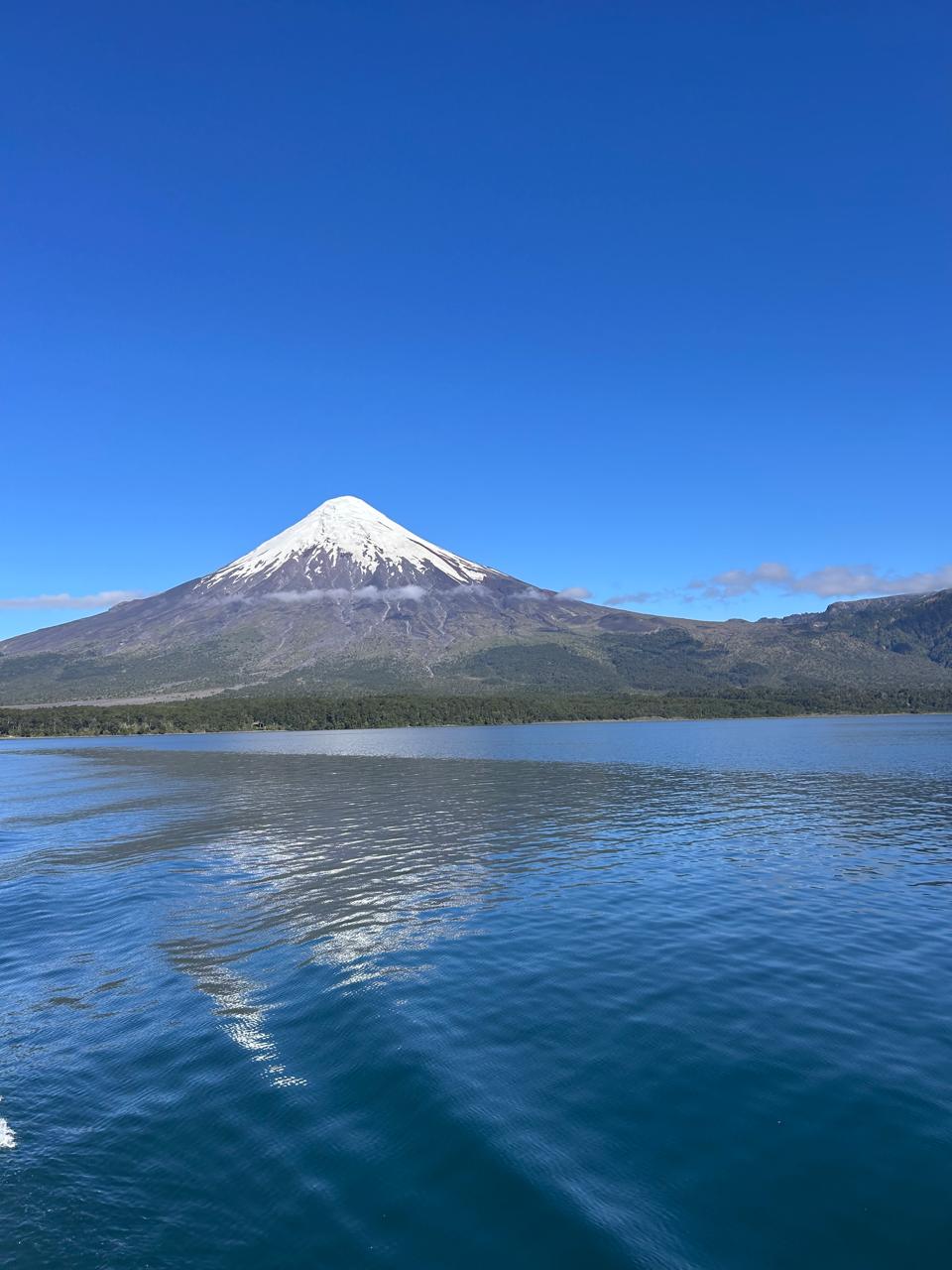
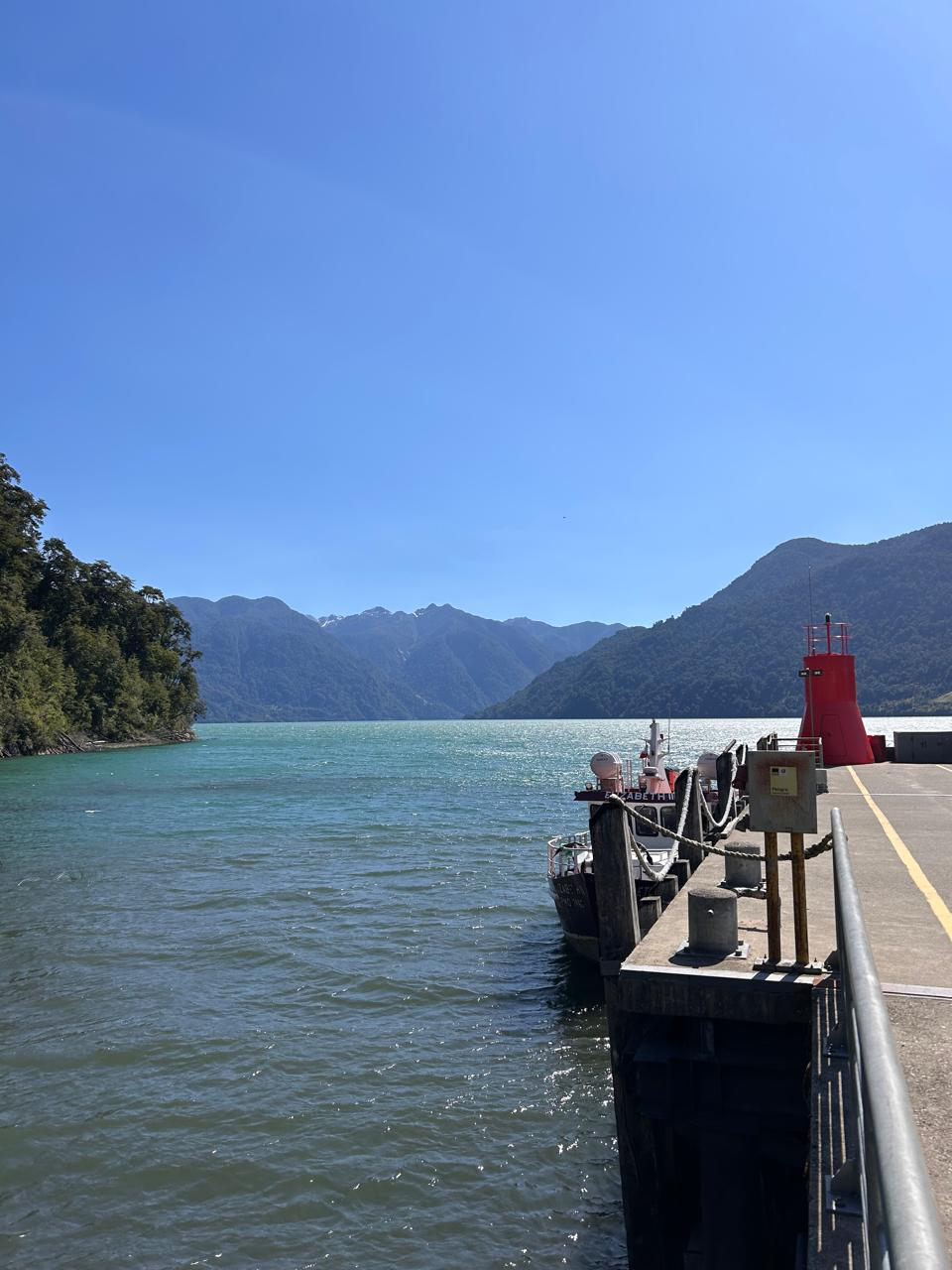
Argentine and Chilean Patagonia are different, and that difference is exactly what makes this journey so remarkable. Argentina gives you scale: Perito Moreno advancing over Lake Argentino, the endless steppe, Ushuaia at the edge of the world. Chile gives you drama: the fjords, the emerald forests of the Andean Crossing, and Torres del Paine—one of those landscapes that stay with you.
Combining both sides in 15 days is not a logistical whim. It’s the only way to truly understand the destination.
The moments you never forget
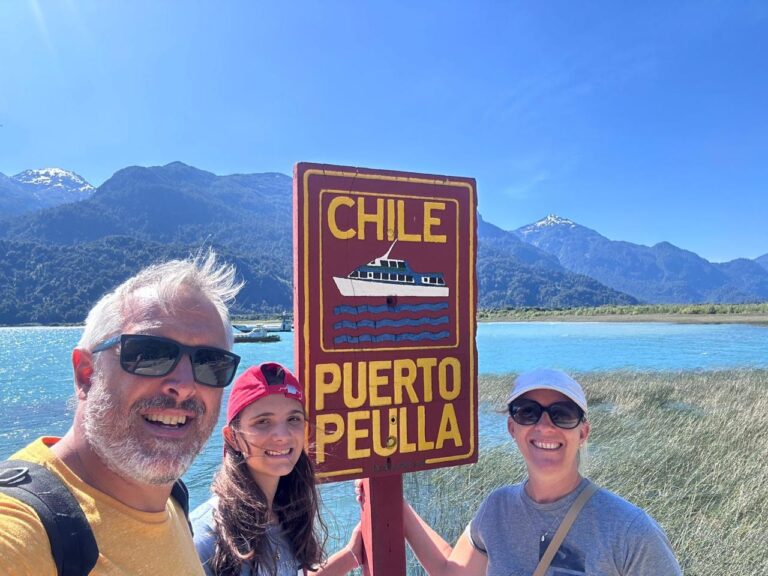
We’ve been organizing this journey for couples and families for years. There are moments that always appear in the messages people send when they return home.
- Perito Moreno from the water. Departure from El Calafate, 80 km to the glacier walkways. The blue ice walls rise 60 meters above Lake Argentino. A one-hour navigation brings the boat within 150 meters of the southern face: the sound of a calving reaches your body before your ears. An optional experience almost no one forgets: mini-trekking on the ice with crampons and a guide.
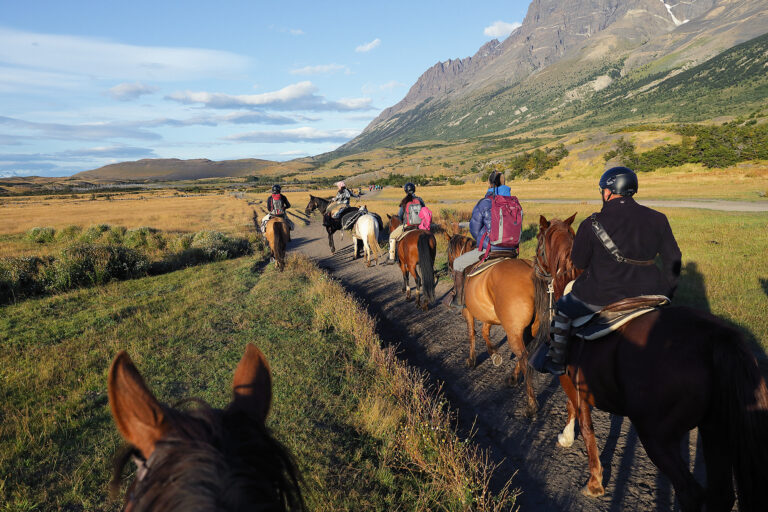
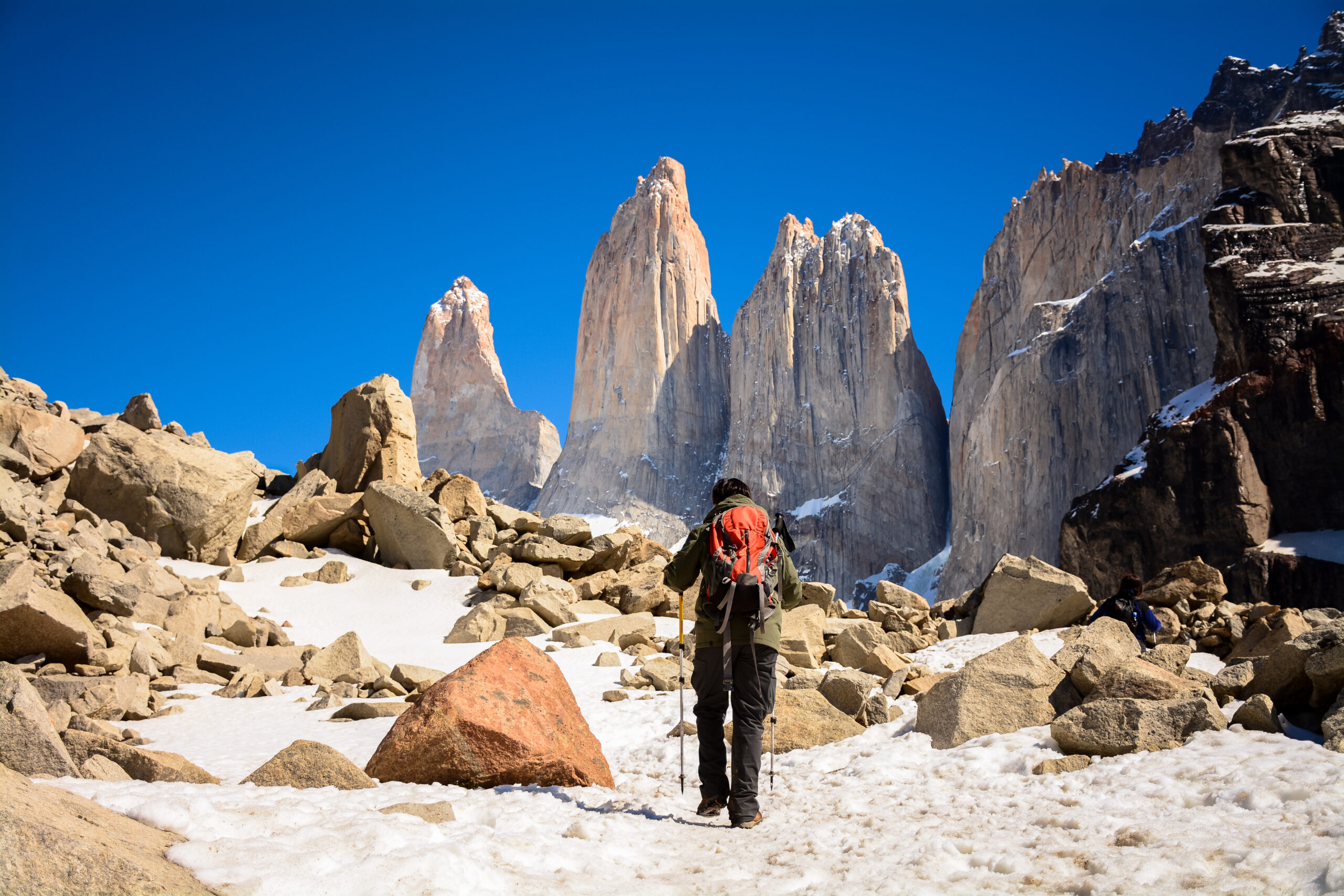
- Torres del Paine. The excursion begins at Milodón Cave—a 200-meter-long prehistoric cavern where remains of extinct animals were found thousands of years ago—then crosses the steppe toward the forest and enters the park with its impossibly colored lagoons. The day ends at Lake Grey, from whose shore you can admire the glacier of the same name. No mandatory trekking: the park is just as impressive from the vehicle.
- The Andean Crossing. From Puerto Varas to Bariloche, navigating the lakes Todos los Santos, Frías, and Nahuel Huapi, connected by four overland sections through the Andes. A journey few people include in their trip—and one almost no one forgets.
- Ushuaia. The southernmost city in the world has something hard to explain. The Beagle Channel at your feet, glaciers above, Tierra del Fuego National Park just 12 km from the center. The End of the World Train—a reconstruction of the historic train used by prisoners that crossed the Magellanic forest—is one of those optional experiences worth every minute.
- Buenos Aires. The journey begins and ends here. The city that gave birth to tango, with neighborhoods like La Boca, San Telmo, Palermo, and Recoleta. The Tigre Delta just 30 minutes away. A tango show with dinner as an introduction to the Argentine soul before flying south.
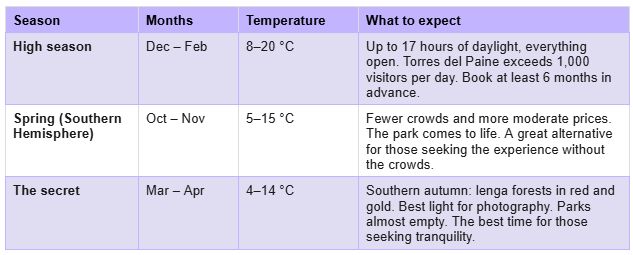
When to go: timing is part of the journey
In Patagonia, choosing the right month completely changes what you see and how you experience it.
Expert tip: Patagonia’s wind is unpredictable. Gusts can exceed 100 km/h in Torres del Paine. This itinerary includes free days that can absorb weather changes—or become the best day of the trip.
Why organize it with Qwerty Travel
Patagonia rewards those who know it. Transfers between destinations can exceed 5 hours. Domestic flights in Argentina are long and often involve connections. The weather can rearrange an excursion without prior notice.
At Qwerty Travel, we don’t sell a catalog. We design each itinerary from scratch, after understanding how you travel, what pace you need, and what you still haven’t seen. With local guides we know personally, real coordination at every stage, and someone available when the original plan stops working.
Because Patagonia is different for a couple traveling for the first time than it is for those returning with their adult children. And that difference should be reflected in the design.
Frequently Asked Questions
Yes, if the itinerary is well structured. This route covers Buenos Aires, Ushuaia, El Calafate, Torres del Paine, the Andean Crossing, and Bariloche, with real time in each destination and free days to breathe.
The trip adapts to you. The walkways at Perito Moreno, Torres del Paine by vehicle, and the Circuito Chico in Bariloche do not require any special fitness level. The mini-trekking on the glacier and the optional hikes in Torres del Paine do require several hours of walking. We tailor everything to each traveler’s profile.
In summer (December–February), temperatures range between 8 and 20 °C. In the shoulder seasons, they range between 4 and 15 °C. The determining factor is not the cold—it’s the wind, which can change the perceived temperature in minutes and exceed 100 km/h in Torres del Paine.
No. This itinerary crosses the border twice: by bus from El Calafate to Puerto Natales on day 8, and back to Argentina via the Andean Crossing on day 11. Both crossings are well organized. Important tip: do not carry fruit or fresh products when entering Chile.
The most valued: a tango show with dinner in Buenos Aires, the End of the World Train in Ushuaia, and mini-trekking on the Perito Moreno glacier. All three add experiences that are almost impossible to arrange once you’re there.
For high season (December–February), at least 6 months in advance. Domestic flights in Argentina and accommodations in park areas fill up quickly. For shoulder months, 3–4 months is usually sufficient.
It happens—and it’s part of Patagonia. That’s why this itinerary includes free days with optional activities. On-the-ground assistance is not just an emergency number; it’s someone who already knows what to do when the wind changes your plans.
We design trips tailored to you
Every journey begins with a detailed conversation: what you want to see, when you’re traveling, and the pace at which you want to experience Patagonia. From there, we design an itinerary adapted to your dates, optimizing routes, timing, and experiences based on the real conditions of the destination.
Your first consultation comes with no obligation: we’ll tell you exactly what Patagonia you’ll encounter on your travel dates—and how to make the most of it.