Torres del Paine: how to visit the national park without improvising.
Some destinations can be improvised. Torres del Paine is not one of them.
Not because the park is difficult to understand once you’re there, but because most of the mistakes that ruin the visit are made months before arriving. Before booking flights. Before thinking about packing. Even before knowing what kind of experience you’re looking for.
And when someone arrives without having solved all of that in advance, the park simply doesn’t wait.
This is not a generic warning. It’s what happens every season, with thousands of travelers who have crossed the world to reach one of the most spectacular places on the planet—only to find that the pieces don’t fit.
That the refuge is fully booked. That the catamaran departs at a time they can’t make. That the return bus to Puerto Natales has no seats left. That the Torres were clear this morning, and now they’re covered in clouds. And that no one told them the perfect window was at 7 a.m.
That’s exactly the difference between visiting Torres del Paine and truly experiencing it.

Why visiting Torres del Paine requires real planning.
Torres del Paine has been a UNESCO Biosphere Reserve since 1978. That’s not a minor detail: it means a conservation-driven management model, with regulated access and controlled capacity.
CONAF, Chile’s National Forestry Corporation, manages the park and sets the entry conditions each season.
In practice, this means daily visitor quotas that sell out—especially between December and February. Having a flight ticket is not enough: you must secure your park entry in advance through the official platform pasesparques.cl.
And that’s only the first step.
The reservation system no one explains before you go.
Accommodation inside the park—campsites and refuges—is managed by two official concession operators.
Las Torres Patagonia manages the eastern sectors: Central, Chileno, Cuernos, Francés, and Serón.
Vértice Patagonia manages the western and northern sectors: Paine Grande, Grey, Dickson, and Los Perros.
Each operator has its own booking platform, conditions, and cancellation policies. There is no unified system.
If you want to hike the W Trek or the O Circuit, you must coordinate bookings with both operators, ensure dates align, and secure park entry separately.
In high season, the most in-demand accommodations sell out within days of opening reservations.
We’ve seen travelers arrive in Puerto Natales with return flights booked—and no accommodation available inside the park.
The result isn’t an imperfect trip. It’s a completely different one.
What Torres del Paine offers when everything is planned
When logistics are sorted before leaving home, visiting Torres del Paine becomes something completely different. It becomes the destination it deserves to be.
The W Trek: the most popular route
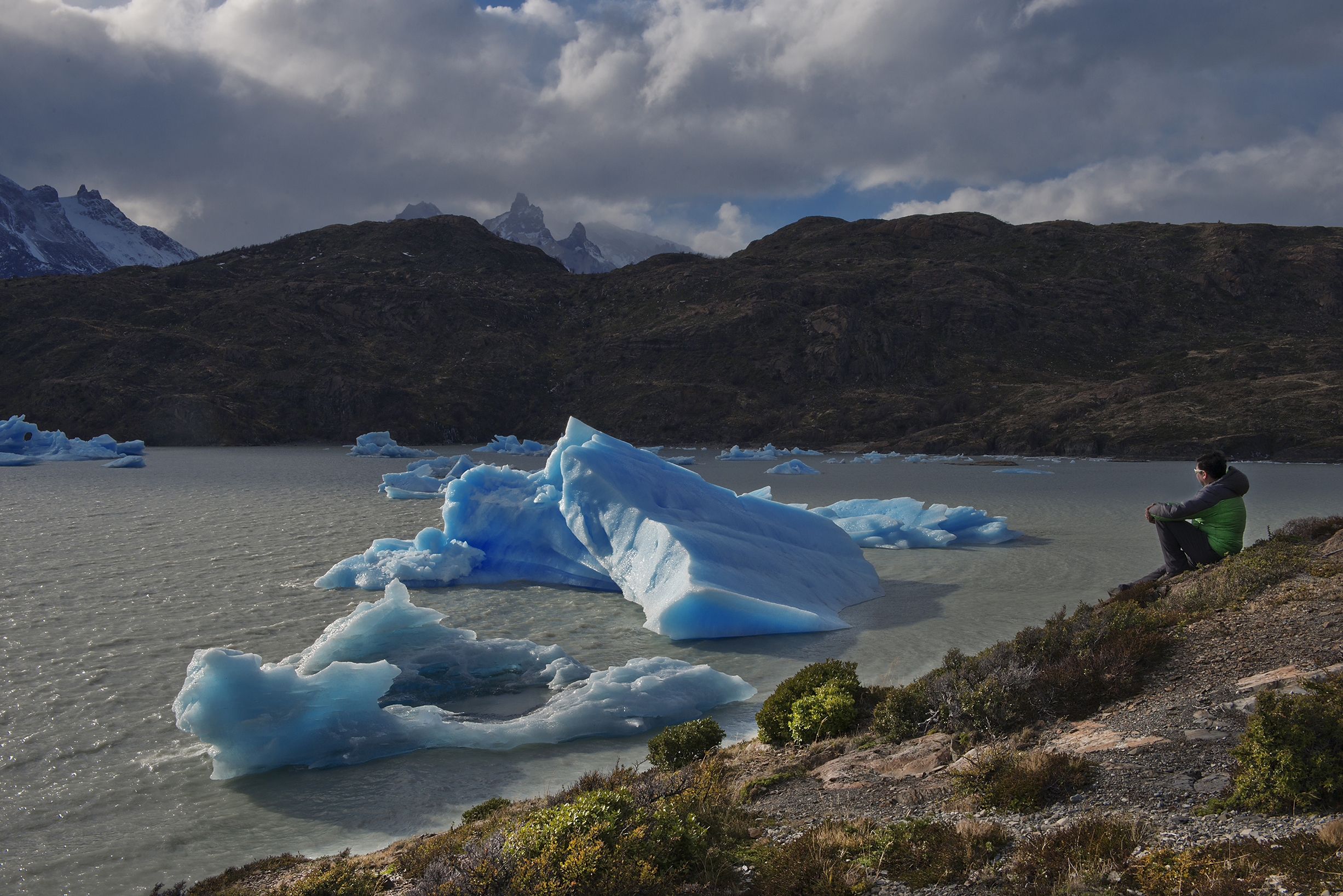
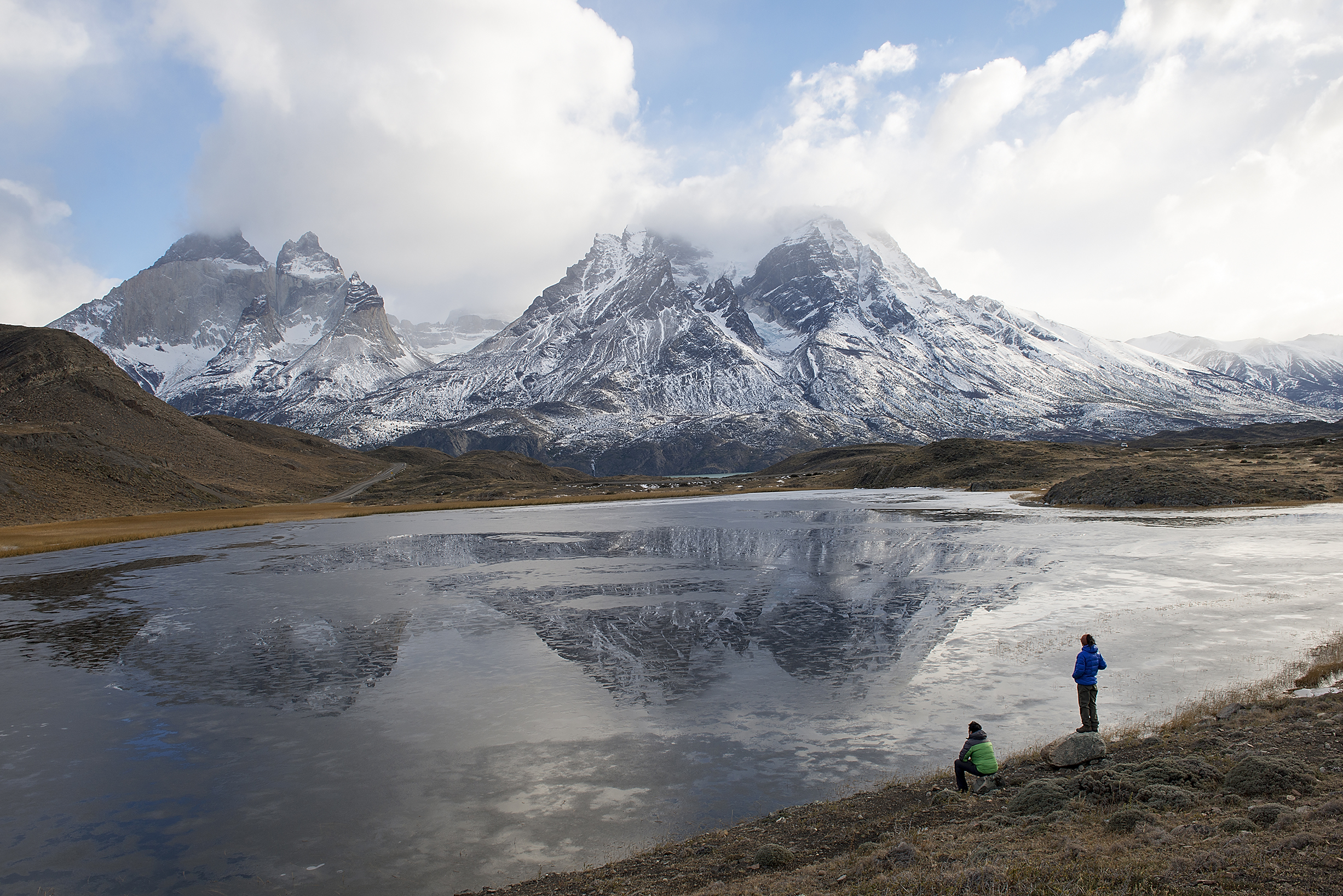
Between three and five days exploring the park’s most iconic highlights. From the Base of the Towers, with that golden sunrise over the granite that makes it all worthwhile, to Grey Glacier and its shades of blue that change throughout the day, passing through the French Valley with its vertical walls and the constant sound of ice and rock.
The direction in which you hike the W matters more than it seems. It’s not a minor detail: it changes the light at each stage, the photographic experience of every day, and the level of physical demand depending on how you arrive at each point. It’s the kind of thing you only understand after having walked the route many times.
The O Circuit: another scale
Seven to nine days to complete the full circuit around the Paine Massif. It includes the John Gardner Pass and areas that most visitors to Torres del Paine will never see. It requires greater physical preparation and more precise logistics, but in return offers a level of solitude and landscape scale that the W Trek, for all its spectacular beauty, cannot match.
Visiting Torres del Paine without multi-day trekking
The park offers much more than many expect. Catamaran excursions on Lake Pehoé, glacier walks on Grey Glacier, full-day hiking routes, and the possibility of spotting pumas in nearby private estancias. Torres del Paine is one of the few places in the world where this wildlife sighting is real and frequent—something most travelers only discover when someone tells them before they arrive.
A well-planned three- or four-day visit allows you to see the most iconic viewpoints: the Cuernos del Paine, Grey Lake, Salto Grande, and the Base of the Towers. You don’t need a week or a 15-kilo backpack for Torres del Paine to become an unforgettable experience.
Torres del Paine within Patagonia: why the fit changes everything
Torres del Paine does not exist in isolation. It is the most dramatic and visually striking piece of a journey that usually includes much more: Perito Moreno and Los Glaciares in Argentina, El Chaltén and Fitz Roy, perhaps Buenos Aires at the beginning or the end, perhaps Ushuaia.
Patagonia’s geography has its own logic. Puerto Natales, the natural base for visiting Torres del Paine, is about three hours from Punta Arenas. El Calafate in Argentina, the gateway to Perito Moreno, is about five hours away crossing the border. El Chaltén adds another three hours to the north.
All these routes have limited transport frequencies, border crossings with their own schedules, and a level of coordination that—when done with time and knowledge—flows smoothly. Done on the go, it creates exactly the kind of problems that turn a great trip into a mediocre one.
A well-designed itinerary integrates Torres del Paine as the highlight of a broader experience. Not as a last-minute addition, but as the piece that crowns a journey planned from the beginning with coherence and intention.
What a specialized agency sees that you don’t
There are things about Torres del Paine that you only learn by being there many times.
How long the light lasts on the Towers—and how it depends on the day, the clouds, and the exact minute you reach the viewpoint. Which refuges are truly worth their price and which ones disappoint. How the direction of the W Trek completely changes the visual and photographic experience of each stage. And how, in the French Valley, there is a moment when the wind suddenly stops for a few minutes and the silence becomes absolute—and that moment is not part of any standard excursion program.
And then there’s what doesn’t appear on any booking platform: coordination during the trip. If the weather changes tomorrow, there’s already an alternative plan in place. The transfer is waiting exactly where it should be. Someone knows the current condition of the route you’re about to take—and whether it’s worth adjusting the order of the stages.
That’s what it means for your visit to Torres del Paine to be well organized. That during the days you’re there, the only thing you need to focus on is being present. Looking. Remembering.
There are travelers who have been here and who, when they talk about Patagonia, describe Torres del Paine as the most impressive place they’ve ever seen. That’s no coincidence. It’s planning.
FAQs about how to visit Torres del Paine
For December, January, and February, it’s best to book four to six months in advance, as soon as reservations open for the season. The most in-demand refuges and campsites sell out within days. For the shoulder season—October, November, and March–April—three to four months is usually enough, although more affordable accommodations also fill up quickly.
Yes. With three or four well-planned days, you can see the most iconic viewpoints: the Cuernos del Paine, Grey Lake, Salto Grande, and the Base of the Towers. Catamaran excursions, full-day hiking routes, and wildlife-watching experiences allow you to enjoy Torres del Paine without carrying a backpack for several days.
High season runs from mid-December to late February: more daylight, warmer temperatures, and more crowds. The shoulder season—October–November and March–April—offers fewer visitors with generally good trekking conditions. May to August is not recommended unless you have experience in winter conditions and are accompanied by specialized guides.
No. According to CONAF regulations, camping outside designated campsites is prohibited and penalties are severe. All nights inside the park require prior booking at an authorized campsite or refuge.
The W Trek takes between four and five days and covers the park’s most iconic highlights. The O Circuit completes the full loop around the massif in seven to nine days, adding more remote areas and a deeper immersion into the landscape. The O requires greater physical preparation and more precise logistics.
Technically, yes. In practice, it means managing reservations across two different platforms—Las Torres Patagonia and Vértice Patagonia—coordinating official park entry through CONAF at pasesparques.cl, organizing transport from Puerto Natales, and aligning all of that with the rest of your Patagonia itinerary. Many travelers manage to do it. Many others arrive and discover that something doesn’t fit.
We design tailor-made trips
Torres del Paine is not a destination to improvise. Every date, route, and reservation shapes the final experience.
First consultation with no obligation: we’ll tell you exactly how to integrate Torres del Paine into your Patagonia trip—and what you need to book before it’s too late.