
How many days to spend in Patagonia is probably the most common — and the most poorly answered — question in all of Argentine tourism. The answer doesn’t depend on a number; it depends on what you want to experience, how far you want to go, and what you’re willing to leave for a second trip.
Patagonia operates on a scale that barely exists anywhere else in the world. Distances between destinations are real, and the pace of the journey changes completely depending on how much time you have. This guide helps you understand what fits into each timeframe and what type of traveler is best suited to each option.
|
TRIP LENGTH
|
WHAT YOU CAN SEE
|
TYPE OF EXPERIENCE
|
|---|---|---|
Yes — if you know what you’re looking for. A short trip to Patagonia isn’t an incomplete trip; it’s a focused one. The key is choosing a specific region and staying within it.
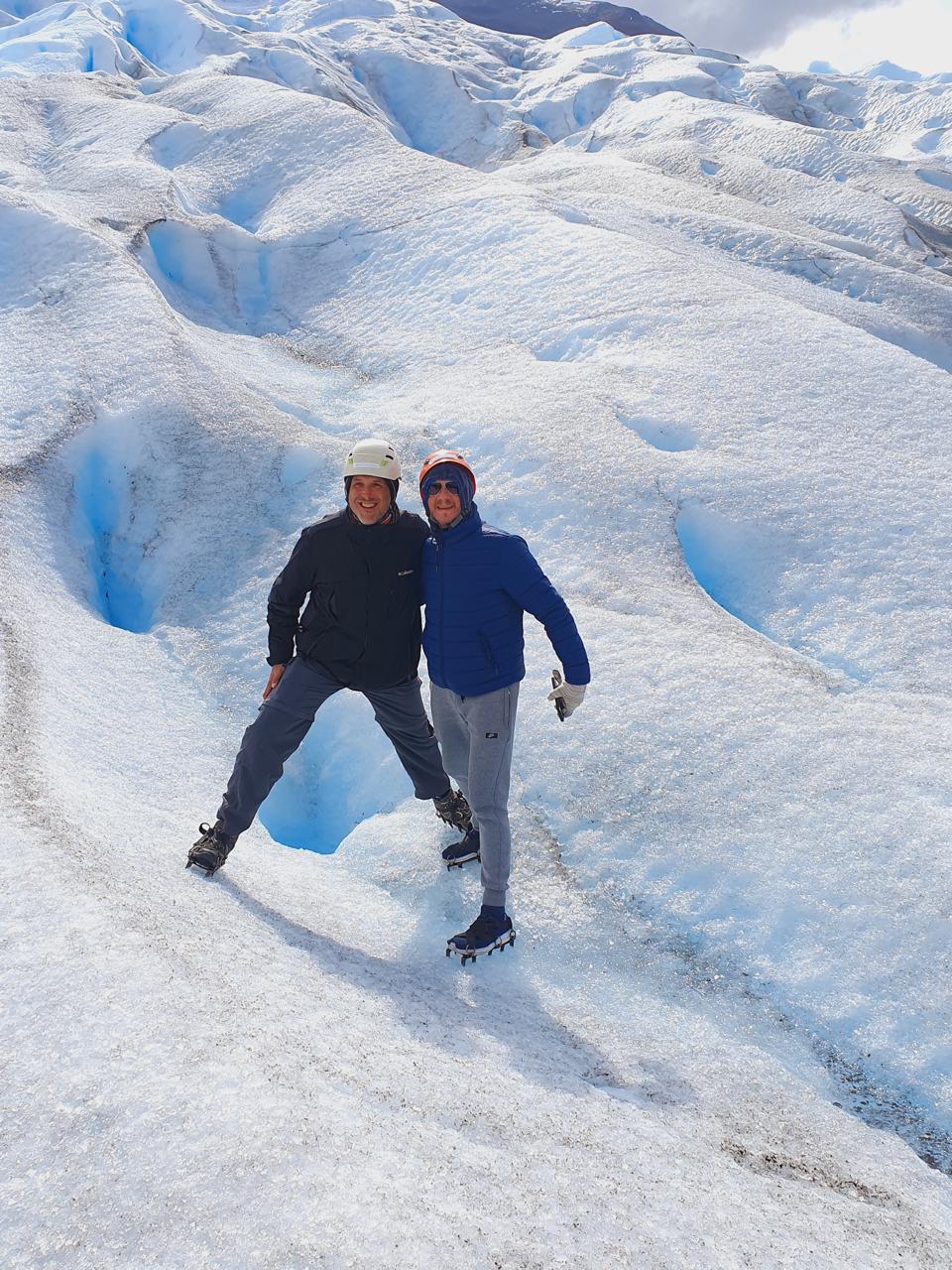
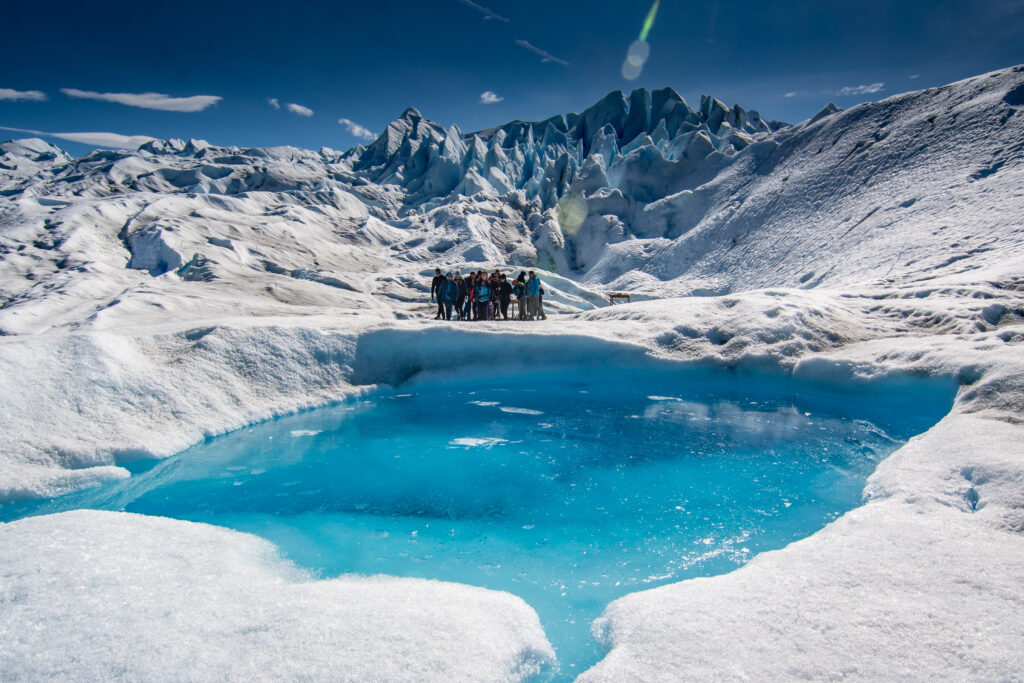
The area around El Calafate and the Chilean border is the most complete combination you can experience in under 10 days. The Perito Moreno Glacier — one of the few glaciers in the world still advancing rather than retreating — is reason enough to make the journey on its own.
Combined with Torres del Paine on the Chilean side, easily reached by road, and a specialized puma tracking experience in the wild, this route offers a level of raw nature that very few destinations on the planet can match.
In search of the patagonian puma (8 days / 7 nights, from USD 2,785) is a strong example of this approach: El Calafate, crossing into Puerto Natales and Torres del Paine, with puma tracking as the core experience. No unnecessary stops that extend the trip without adding real value.
For travelers with limited time who don’t want to sacrifice depth. For a first trip to Patagonia where selecting the right destinations matters more than trying to see everything. And for those who prefer returning home with a focused, meaningful experience rather than a checklist of places seen in passing.
What you won’t see in under 10 days: Ushuaia, El Chaltén, Bariloche, Puerto Madryn, Iguazú Falls. If any of these destinations are essential for you, this timeframe won’t be enough.
This is the timeframe where most European travelers operate when planning a Patagonia trip with real time to experience it. It allows you to combine two or three geographical areas without rushing. There’s room to pause, to repeat an excursion if the weather didn’t cooperate — and in Patagonia, it often doesn’t — and to settle into the rhythm of the south before moving on to the next destination.
With 11 or 12 days, you can start in Buenos Aires — which deserves at least two days to be understood, not just passed through — and reach El Calafate with enough time to explore the Perito Moreno Glacier and some of the lesser-known glaciers in the region. There are lagoons and ice fields that don’t appear in standard travel guides and are only accessible with those who truly know the terrain.
With 15 days, both Argentine and Chilean Patagonia fit into a single itinerary without forcing the pace. Buenos Aires at the start, Ushuaia and the Beagle Channel, El Calafate with the Perito Moreno Glacier, a road crossing to Puerto Natales and Torres del Paine, continuing north to Puerto Montt and ending in Bariloche. A route that covers both sides of Patagonia in a single, coherent journey.
If you want to see how this 15-day route works in practice, the Argentine and Chilean Patagonia itinerary (15 days / 14 nights, from USD 2,929) is likely the most complete reference for this timeframe. It covers the key destinations across both Argentina and Chile without sacrificing any of them due to time constraints.
For travelers looking for real geographic variety without wasting time in each destination. For those combining Argentina and Chile for the first time in a single trip. And for anyone seeking the balance between seeing a lot and experiencing each stop at the right pace.
What you won’t see in this timeframe: El Chaltén typically requires at least an extra day and a half and rarely fits into an 11-day itinerary. Iguazú Falls are usually excluded unless the itinerary is very well optimized over 12 days. Exploring Torres del Paine in depth also requires more time than a 15-day itinerary can realistically allocate if it also includes Argentina.
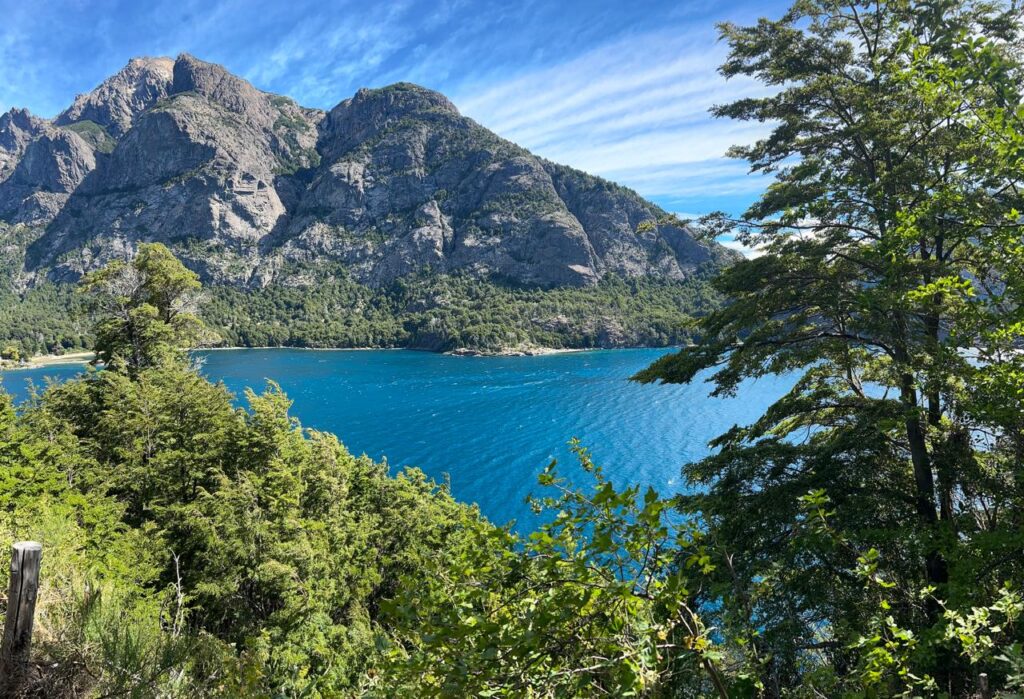
From around 18 days onward, the nature of the trip changes. It’s no longer about seeing destinations — it’s about understanding a territory. Transfers become part of the experience rather than a logistical cost. The steppe you watch for hours through the window is what gives real weight to arriving at a glacier or the Torres.
In this range, there are two distinct approaches to structuring a Patagonia itinerary.
The first is Patagonia in its purest form: El Chaltén, El Calafate, Ushuaia and Bariloche, with Buenos Aires as the starting point. El Chaltén is Argentina’s trekking capital, the gateway to Mount Fitz Roy, and including it completely transforms the experience for those who genuinely enjoy hiking. The stretch of Route 40 between El Chaltén and El Calafate — open steppe, crosswinds, no other vehicles for miles — is one of those journeys that stays with you.
The second is Argentina from end to end: glaciers and marine wildlife in the south, subtropical jungle in the north, with Ushuaia and Bariloche in between. The greatest possible geographical contrast in a single trip — from glaciers to rainforest, from the Beagle Channel to Iguazú Falls.
For a deeper Patagonia experience without compromise, the Patagonia in Depth itinerary (18 days / 17 nights, from USD 2,459) includes El Chaltén, Route 40 and Bariloche in addition to the classic highlights. For those who also want to include Iguazú Falls and the Atlantic coast, Complete Patagonia and Jungle (18 days / 17 nights, from USD 3,139) covers Argentina from end to end.
For those who already know this is a once-in-a-lifetime journey, not a short getaway. For travelers who understand that every transfer is part of the experience. And for those who want to return home having truly understood Argentina — not just having seen it.
What you won’t see even in 18 days: Chile’s Carretera Austral, the Patagonian fjords, Torres del Paine with enough time to complete the full circuit, or glacier trekking on Perito Moreno unless it is specifically included. Patagonia always leaves you wanting more. That, too, is part of its character.
No Patagonia itinerary has the same value at every time of year.
Peak season runs from November to March. Long daylight hours — in Ushuaia, the sun sets after 10:00 pm in January — full access to all sites, and maximum activity across destinations. Whale watching in Puerto Madryn peaks between June and December, with October being the most reliable month. In Torres del Paine, more demanding treks are only considered safe between October and April.
Low season (May to September) limits access to certain areas but reduces both prices and crowds, while giving snow-covered landscapes a completely different dimension. It’s not better or worse — it’s simply a different kind of journey.
What matters is knowing, before confirming any itinerary, exactly what you will and won’t experience based on your travel dates. That information should be clear before booking anything.
With 6 to 8 days based in El Calafate, you have enough time to experience it properly, including a boat excursion in front of the glacier wall. You don’t need 18 days to see Perito Moreno; you need that amount of time if you want to combine it with Ushuaia, El Chaltén, Bariloche, and Iguazú Falls in the same trip.
Yes — and it’s very common. The road crossing between El Calafate and Puerto Natales is straightforward and involves no major border complications. Itineraries of 9 to 15 days are the most effective way to combine both sides without forcing the pace.
For trekking and maximum daylight: November to February.
For whale watching in Puerto Madryn: June to December, with October as the most reliable month.
To avoid crowds while still enjoying good weather: November or March.
For lower prices with limited access: May to August.
Torres del Paine, the fjords, and the Carretera Austral. Argentine Patagonia features Perito Moreno Glacier, El Chaltén, Ushuaia, and Puerto Madryn. They’re not mutually exclusive — the best itineraries of more than 10 days usually combine both sides.
Traveling independently requires serious planning: vast distances, limited public transport between destinations, and high accommodation demand that often exceeds supply in peak season. A well-designed trip with logistics handled and local guides not only saves time — it often provides access to experiences such as puma tracking or off-the-beaten-path glaciers that aren’t available to independent travelers.
There’s no perfect number of days to travel to Patagonia. It depends on what you want to see, how you want to experience it, and what you’re willing to leave for a second trip.
Every journey starts with a detailed conversation: which destinations matter most to you, when you’re traveling, and the pace you want to follow. From there, we design an itinerary that makes sense for your specific case — not a standard one.
Your first consultation is commitment-free: we’ll tell you exactly what you’ll experience — and what you won’t — based on your travel dates and available time.