
By Constance Abad — Founder and director of Qwerty Travel
Patagonia is probably the destination that appears most often on the list of dream trips for Mexican travellers. Glaciers unlike anything seen before, granite towers rising from nowhere, silence on a scale that is genuinely hard to find anywhere else in the world. After years of organising these trips, we can say that those who go almost never regret it. They almost always regret not having booked more days.
This guide is designed for the Mexican traveller who wants to plan a first Patagonia trip with real criteria: which flights to take, where to enter, how many days each destination needs, how to design an itinerary that works for the whole family, and the most common mistakes to avoid before booking anything.
Patagonia is not a single destination. It is an enormous region shared between Argentina and Chile, with five main destinations that each have completely different travel logics. Understanding that diversity is the first step to planning the itinerary well.
| Destination | What it offers | Best season | Recommended nights |
|---|---|---|---|
| El Calafate (Argentina) | Gateway to Perito Moreno Glacier. The most accessible Patagonian destination for any traveller profile. | Oct – Apr | 2–3 nights |
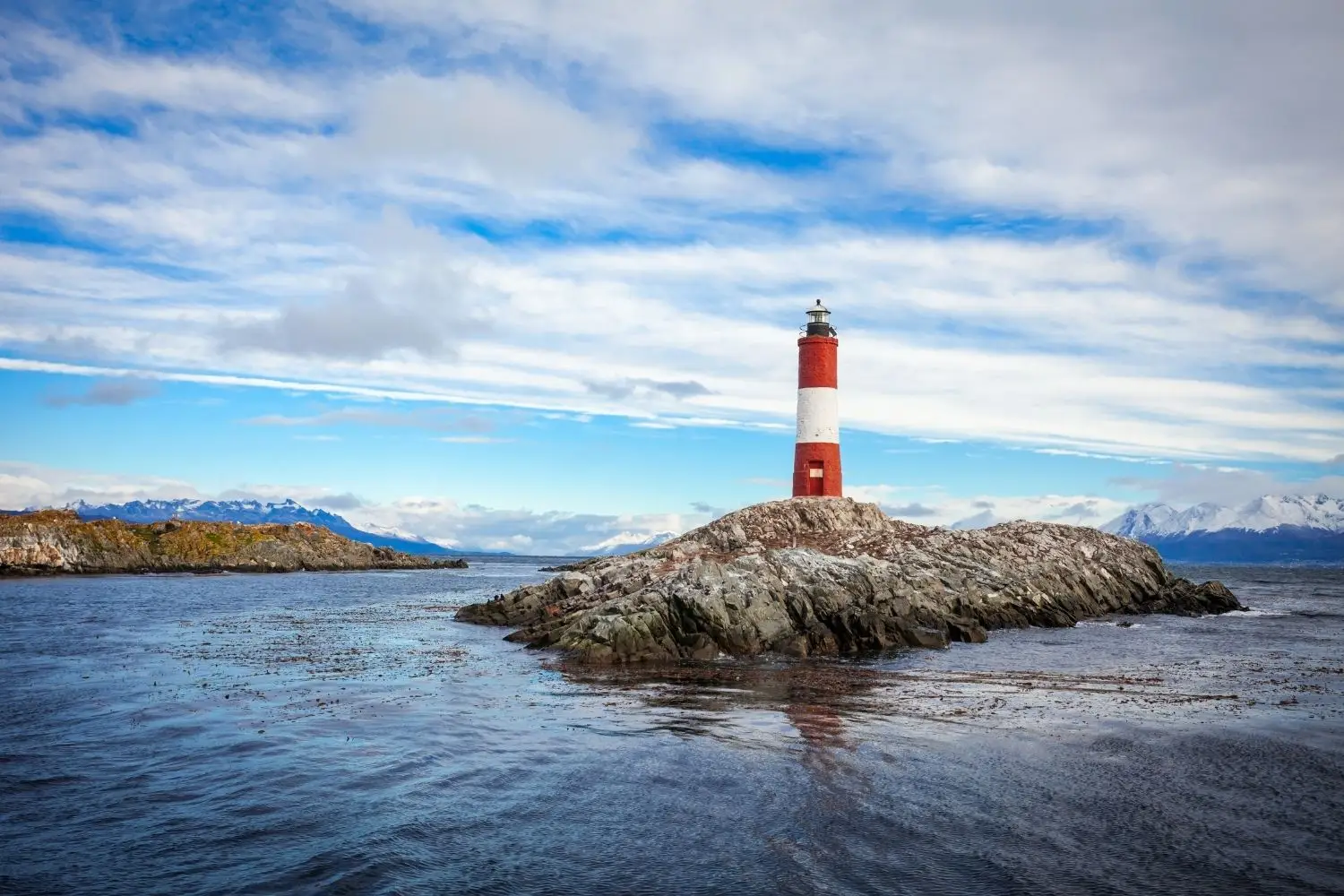
| Ushuaia (Argentina) | The world's southernmost city. Tierra del Fuego National Park and Beagle Channel cruises. | Nov – Mar | 2–3 nights |
| Bariloche (Argentina) | Andean lakes and mountains at 760 m. Accessible nature with no strenuous hiking required. Skiing in winter. | Dec–Feb (summer) Jun–Aug (snow) |
3–4 nights |
| El Chaltén (Argentina) | Argentina's trekking capital. Views of Fitz Roy and Cerro Torre with no technical equipment required. | Nov – Mar | 2 nights |
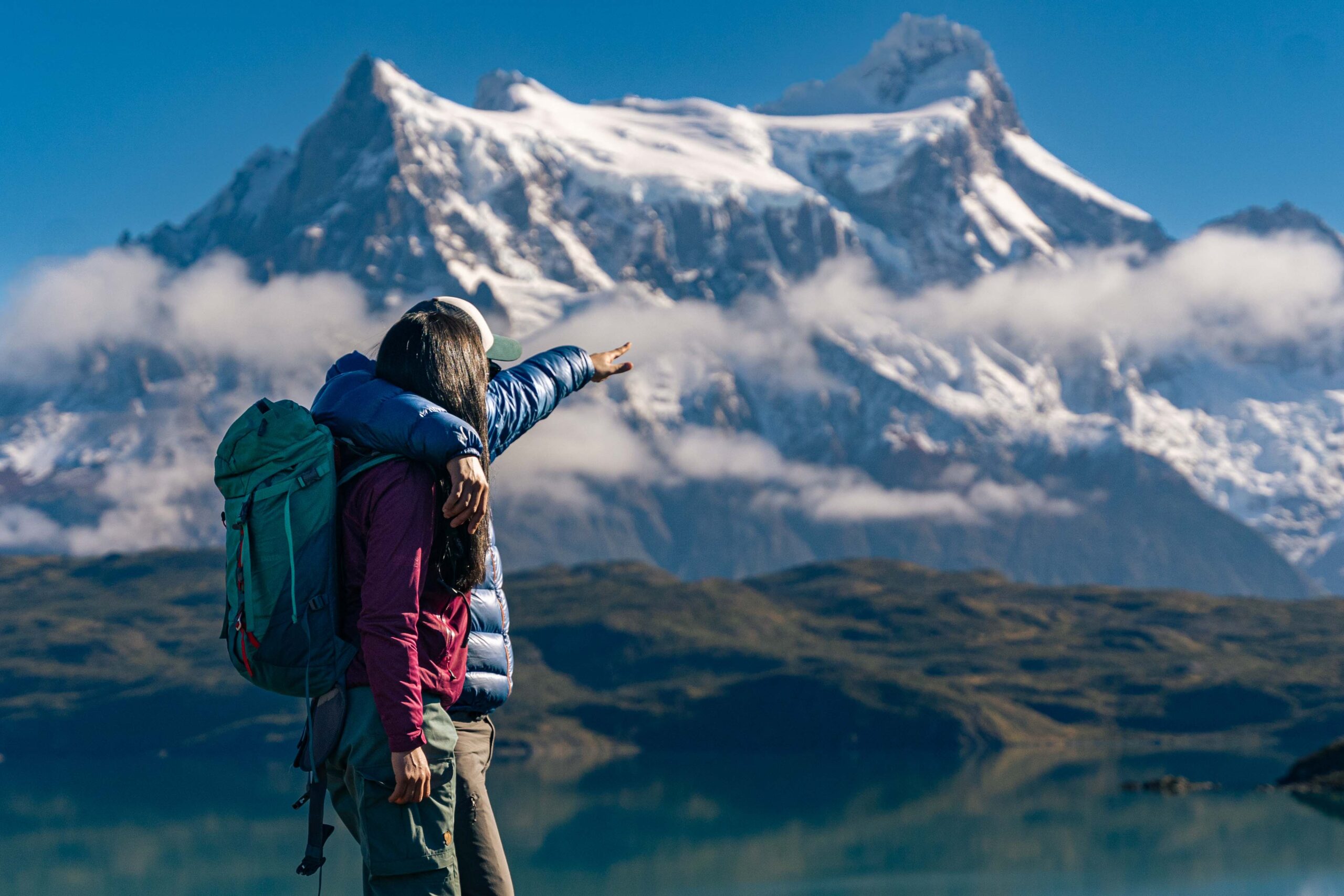
| Torres del Paine (Chile) | 181,000-hectare National Park. Access via Santiago de Chile and Punta Arenas. | Oct – Apr | 3–4 nights |

The entry point to the continent shapes the entire itinerary design. There is no single correct answer: it depends on which part of Patagonia you want to see and how many days you have.
| Origin | Main airline | Best for |
|---|---|---|
| Mexico City (CDMX) → Buenos Aires (EZE) | Aeromexico (direct, ~9–10 h) | Routes starting with Buenos Aires and Iguazú before continuing south to Patagonia. |
| Cancún → Buenos Aires (EZE) | Aerolíneas Argentinas (direct, ~9–10 h) | Ideal for travellers departing from southeast Mexico following the same itinerary logic. |
| Mexico City (CDMX) → Santiago (SCL) | LATAM or others (direct, ~10–11 h) | The best option for Patagonia-focused itineraries, with onward connections to Punta Arenas and, depending on the season, other southern destinations. |
| Other Mexican cities | Copa, Avianca or LATAM (with stopover) | Connections via Panama City, Bogotá, Lima or Santiago, depending on the departure city and itinerary. |
For most Mexican families combining Buenos Aires with Patagonia, the direct Aeromexico flight from Mexico City to Buenos Aires is the most logical starting point. For those prioritising El Calafate and Torres del Paine as their main destinations, entering via Santiago de Chile tends to be more efficient logistically: from Santiago there are direct flights to Punta Arenas (gateway to Torres del Paine) and to El Calafate.
One detail that many itineraries fail to account for: Buenos Aires has two airports with very different functions. International flights from Mexico arrive at Ezeiza (EZE), approximately 35 km from the city centre. Domestic flights to El Calafate, Ushuaia or Bariloche depart from Aeroparque Jorge Newbery (AEP), 7 km from the centre in the Palermo neighbourhood. Getting from one airport to the other can take between 45 minutes and an hour and a half depending on traffic — and that transfer needs to be factored into the design of the first day.
This is the question we receive most often. And the answer that frustrates people most is the correct one: trying to cover El Calafate, Ushuaia and Bariloche in ten days produces a trip made of airports, not experiences. When you factor in the long-haul flights from Mexico, the usable days are fewer than they look on paper.
Patagonia has distinct seasons that directly shape access and the experience at each destination. Getting the timing right is just as important as choosing the right destinations. A common mistake is planning Buenos Aires and Iguazú without checking that the chosen dates also work for southern Patagonia.
| Region / Destination | Best season | Why |
|---|---|---|
| Buenos Aires | Year-round Best: Mar–May and Sep–Nov |
Mild climate with fewer tourists. January and February are the hottest and busiest months. |
| Iguazú | Year-round Peak flow: Nov–Mar |
During the rainy season the waterfalls are at their most spectacular; in the dry season the walkways are easier to explore. |
| Patagonia (El Calafate, Ushuaia and El Chaltén) |
October – April | Austral summer offers long days (up to 17 hours of daylight) and full access to glaciers and national parks. |
| Bariloche | Dec–Feb (summer) Jun–Aug (snow) |
Summer is ideal for hiking and kayaking, while winter is the best time for skiing at Cerro Catedral. |
| Torres del Paine (Chile) | October – April | Shares the same ideal travel season as Argentine Patagonia. Access is typically via Punta Arenas. |
For a route combining Buenos Aires, Iguazú and Patagonia, October to December and February to April are the most balanced windows. January is peak high season: hotels at capacity, higher prices and maximum crowds at Perito Moreno. If the goal is snow in Bariloche, the window is June to August — which has implications for the rest of the itinerary.
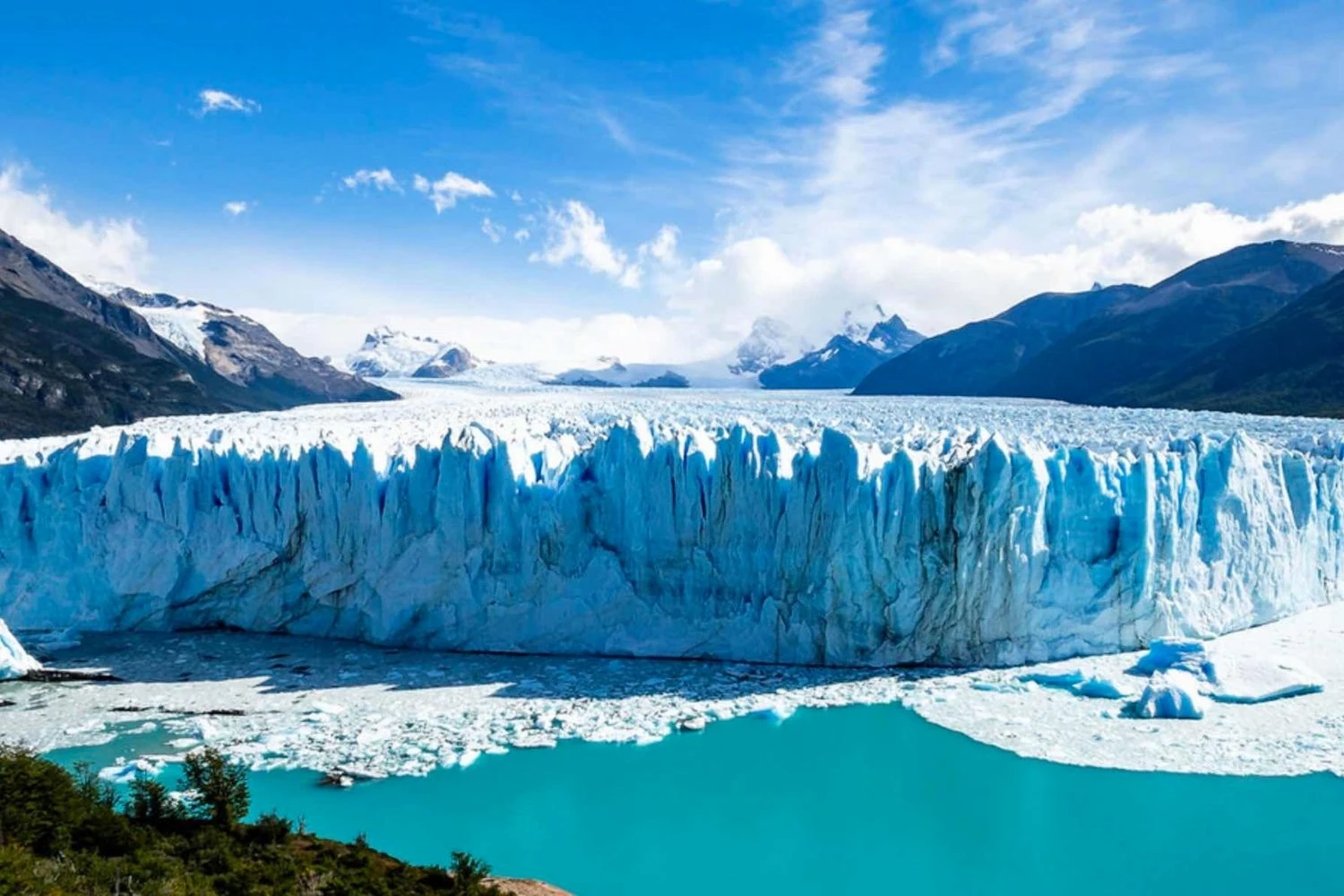
Perito Moreno is the centrepiece of Los Glaciares National Park, declared a UNESCO World Heritage Site in 1981 (reference N°151 in the World Heritage register). With a front face of approximately 5 km wide and between 60 and 70 metres of height visible above the water, it is internationally recognised for its dynamic cycle of advance and periodic rupture, making it one of the most active and spectacular glaciers on the planet, according to the National Park Administration of Argentina (parquesnacionales.gob.ar).
What no photograph anticipates is the scale of the sound. The calving events from the glacier’s face — blocks of ice several cubic metres in size falling into Lago Argentino — are heard before they are seen. The visual impact is extraordinary, but the physical experience — the sound, and the cold air descending from the ice — is what travellers remember years later.
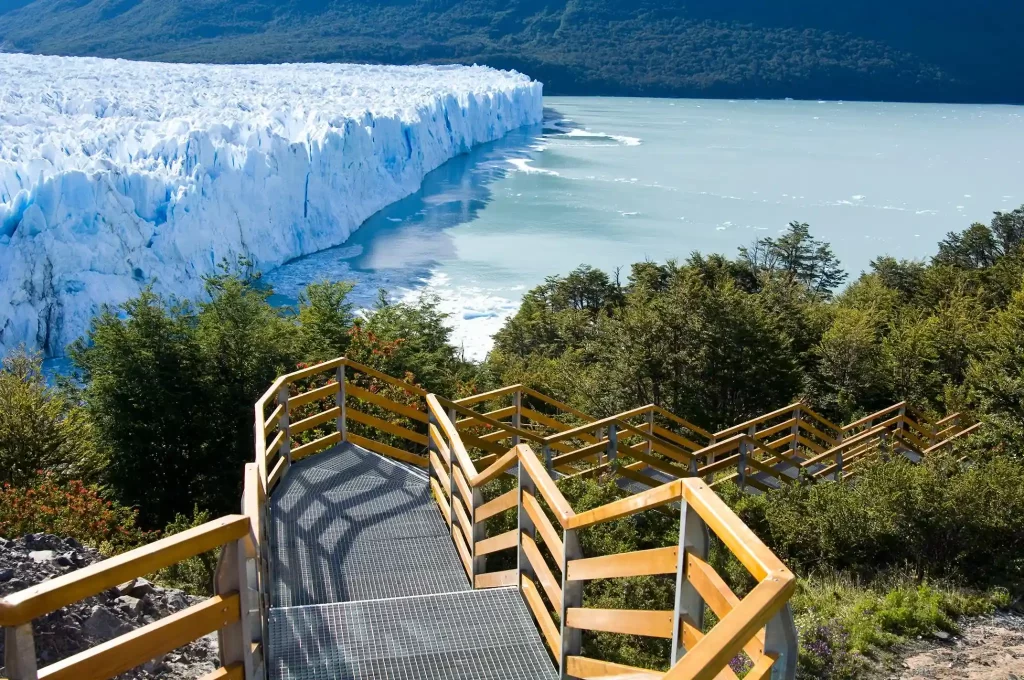
The visit is made from paved walkways at different heights facing the glacier. No special physical fitness or technical equipment is required. It is fully accessible for elderly visitors and children. Boat tours to the base of the glacier face are available for those wanting a more immersive experience.
A very significant proportion of the Mexican travellers who contact us are travelling with three generations: children, parents and grandparents. That profile changes practically every decision in the itinerary. Activity timing, accommodation type, available excursions and the logistics between destinations all work very differently when there are children and elderly members in the group.
In Patagonia, private services are not a luxury: they are the difference between a trip that works and one that generates tension. A private transfer allows schedules to be adjusted to the group’s real pace. A private guide can adapt the rhythm and content to the ages and interests of each person. If someone gets tired, there is room to reorganise. If the weather changes — a regular occurrence in Patagonia — there need to be alternatives, and someone to manage them.
On accommodation, well-located four-star hotels are the standard that works best for Mexican families in Patagonia. Clear service quality, rooms configured for groups, generous breakfasts and responsive staff when anything comes up. In Patagonian destinations, location matters as much as category: a poorly situated hotel adds unnecessary transfers to every day of the trip.
Many Mexican travellers arrive in Patagonia thinking about the landscapes. What they don’t expect is for the gastronomy to become one of the most intense memories of the trip. Patagonian lamb, lake trout, Bariloche’s artisan chocolate and the wines of northern Patagonia have a character that contrasts completely with Mexican cuisine, and that contrast produces a genuine curiosity.
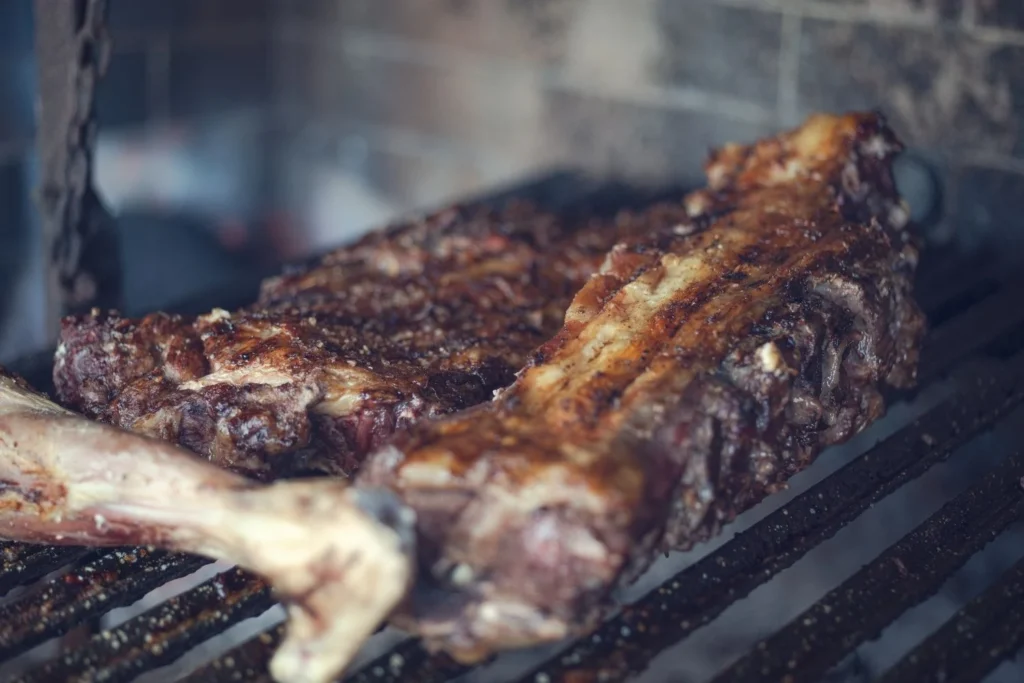
Dinners at a Patagonian estancia — lamb roasted over an open fire, views of the lake and absolute silence — are among the moments that Mexican families remember most vividly when they return home. It is not just the food: it is the context. Patagonian gastronomy is as much part of the landscape as the glaciers.
After years of designing these trips, there are patterns that repeat themselves constantly. They are not mistakes of budget or destination choice. They are itinerary design mistakes.
What we would do if we were travelling ourselves
We never recommend trying to cover El Calafate, Ushuaia and Torres del Paine in seven days. It is not a budget problem. It is a design problem: Patagonia does not work at that pace, and the traveller ends up arriving exhausted at the most spectacular part of the journey.
If we had to choose just one Patagonian destination for a first trip from Mexico, we would always choose El Calafate. The Perito Moreno Glacier works for every type of traveller, produces an impact that no photograph can anticipate, and leaves the visitor wanting to come back — which is exactly what a first trip should do.
The most frequent mistake we see is not choosing the wrong destinations. It is overestimating what can be done in a single day in Patagonia.
Before proposing any itinerary, we review more than twenty possible flight combinations between Mexico, Argentina and Chile to find the route that reduces stopovers, dead time and unnecessary accommodation changes. Then we build the trip around the people who are going to live it: who is travelling, what ages they are, what pace they are looking for and what kind of memories they want to take home.
We don’t start from a list of destinations. We start from a conversation. And every itinerary that comes out of that conversation begins with a principle we have learned over the years: the best Patagonia trips are not the ones that include the most places. They are the ones with the right pace for the people living them.
For families travelling with children or multiple generations, you can also consult our dedicated guide: Patagonia as a family from Mexico.
Constance Abad — Founder and director of Qwerty Travel
She has spent over fifteen years designing tailor-made itineraries across Argentina and Patagonia for travellers from Mexico, Europe and Latin America. She has designed routes for over four hundred families with very different profiles: multigenerational groups, couples, solo travellers and groups of friends. She works directly with local operators, guides and hotels in Buenos Aires, Bariloche, El Calafate, El Chaltén, Ushuaia and Torres del Paine.
LinkedIn: linkedin.com/in/constance-abad
The reasonable minimum is 12 days to combine Buenos Aires with El Calafate and Ushuaia without transfers dominating the schedule. With 14 days the trip gains in calm. With 10 days it is possible, but you have to choose between Ushuaia and Bariloche — both cannot be done at a pace that allows you to actually enjoy them.
For routes whose main focus is the glaciers and Torres del Paine, entering via Santiago de Chile is more efficient: direct flights from Santiago to Punta Arenas or El Calafate. For routes that start with Buenos Aires and Iguazú before heading south, entering via Ezeiza makes more sense. The choice depends on the complete itinerary, not on the flight price.
October to December and February to April are the most balanced windows for combining Buenos Aires, Iguazú and southern Patagonia. January is peak high season: more tourists, higher prices and hotels at full capacity. For snow in Bariloche, the window is June to August.
Yes, and with an important advantage: Argentine Patagonia has no altitude problems. Bariloche is at 760 m, El Calafate at around 200 m and Ushuaia at sea level. The Perito Moreno walkways are accessible without any special fitness requirements. The key is adapting the pace and booking private services that give the group flexibility.
For peak season travel (January, July, Easter), at least four to six months in advance. Hotels in El Calafate and Ushuaia in January sell out months ahead. In mid-season, two or three months usually give enough lead time. The most important thing is making sure the chosen dates align with the best season for the destinations in the itinerary.
Yes, and it is especially important in Patagonia. In remote areas such as El Chaltén, parts of Torres del Paine or Tierra del Fuego, medical coverage is very limited and evacuation can be complex without specific insurance. We always recommend a policy that includes international medical assistance, hospitalisation and evacuation. We include it in every itinerary we design.
National Park Administration of Argentina (parquesnacionales.gob.ar) — Official information on Los Glaciares National Park and Nahuel Huapi National Park.
INPROTUR — Argentina.travel — Argentina’s National Institute of Tourism Promotion. Official inbound tourism data.
UNESCO World Heritage Centre — Los Glaciares National Park: World Heritage Site since 1981 (reference N°151).
Aeromexico and Aerolíneas Argentinas — Routes and frequencies between Mexico and Argentina consulted via their official websites.
New7Wonders Foundation (new7wonders.com) — Machu Picchu and other Latin American destinations on the new wonders of the world list since 2007.
Before proposing any itinerary, we review more than twenty possible flight combinations between Mexico, Argentina and Chile to find the route that reduces stopovers, dead time and unnecessary hotel changes. Then we build the trip around the people who are going to live it — not around the destinations.
First consultation, no commitment: we’ll tell you exactly what you will — and won’t — see based on your dates, your family and the time available.
www.qwerty-travel.com · info@qwerty-travel.com