
By Constance Abad — Founder and director of Qwerty Travel
Travelling to Patagonia from Mexico is not just any trip. Not only because of the distance, but because of what it tends to represent for many families: a once-in-a-lifetime journey planned months in advance, designed to be shared between parents, children and grandparents. And when three generations travel together, the itinerary design changes completely.
It is no longer simply a matter of choosing the most spectacular destinations. It is about building a route where everyone can enjoy themselves: those who want to walk, those who prefer to take things in quietly, those looking for good food, those who need more rest and those who simply want everything to be well organised from the very first day. After years of arranging these trips for international families, we have learned one clear lesson: a good family itinerary is not the one that includes the most places. It is the one that avoids unnecessary problems.
Patagonia has landscapes unlike anything most travellers have seen before, nature on an extreme scale and a sense of exclusivity that is hard to find in more crowded destinations. It is not a destination that demands adventure. That is an important point. Patagonia can be active, but it can also be comfortable, contemplative, gastronomic and perfectly suited to families looking for private services, good hotels and straightforward logistics.
For many Mexican families, Argentina combines in a single trip what other destinations require two separate journeys to achieve: Buenos Aires brings culture, gastronomy and urban energy; Bariloche introduces lakes, mountains and gentle activities; El Calafate delivers the Perito Moreno Glacier experience without any need for technical trekking. And all of this, as we will see, without the altitude problems that appear in the Peruvian or Bolivian Andes.
An advantage most travellers don’t expect
Unlike other South American destinations such as Cusco (3,400 m) or the Bolivian altiplano, Argentine Patagonia presents no altitude problems. Bariloche sits at 760 metres above sea level, El Calafate at around 200 metres and Ushuaia at essentially sea level. This removes one of the main concerns travellers have when planning South American routes, and makes Patagonia especially well-suited for families travelling with elderly relatives or anyone with altitude sensitivity.
When we plan a family Patagonia trip, the first conversation rarely starts with a map. It starts with the people. Who is travelling, what ages they are, whether there are elderly relatives with limited mobility, whether there are young children or teenagers, what level of activity each person genuinely enjoys and how much they handle long transfers. Those answers change practically every decision in the itinerary.
A couple can accept long days, frequent changes of accommodation or demanding hikes. A family of eight with three generations needs a different logic: more realistic schedules, well-calculated transfers, excursions that allow different levels of participation and enough margin that nobody feels they are holding the group back or that the trip is moving too fast to enjoy. In a well-designed family trip, the logistics should be invisible.
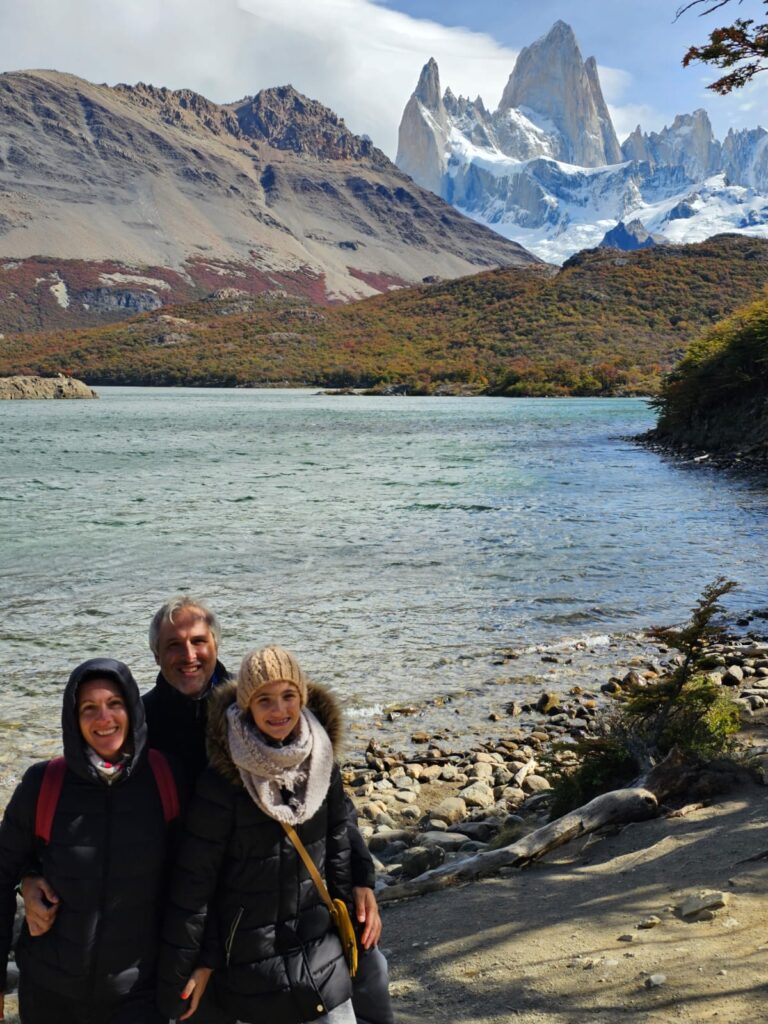
For a family travelling from Mexico, our standard recommendation is a trip of between 12 and 15 days. Less than that can work if the route is tightly focused, but it almost always means giving up important destinations or compressing transfers too much. And in Patagonia, compressing too much almost always reduces the quality of the experience, especially when several generations are travelling together.
| Duration | What it actually allows | Best suited for |
|---|---|---|
| 10 days | Buenos Aires plus one Patagonian destination. A fairly fast-paced itinerary. | Families with very limited holiday time. |
| 12–15 days | Buenos Aires, Bariloche and El Calafate. The most balanced combination for a first family trip. | First-time visitors to Argentina and Patagonia. |
| 16–18 days | A more complete itinerary including Ushuaia or an extension into Chile, with a comfortable pace for all ages. | Families with more time available who prefer to travel at a relaxed pace. |
| 20 days or more | Argentine and Chilean Patagonia enjoyed at a genuinely relaxed pace, with the option to include Torres del Paine. | Premium or multigenerational trips seeking the most complete experience. |
The key is not only how many days the family has available. The key is how those days are distributed between transfers, activities and rest. A poorly distributed 14-day itinerary can be more exhausting than a well-designed 12-day one.
| Stage | Why it works for families | Practical note |
|---|---|---|
| Buenos Aires | Cultural and gastronomic introduction to the country. An easy and enjoyable start to the journey. | Ideal for the first day: no altitude change and no extreme climate. |
| Bariloche | Lakes, mountains and gentle outdoor activities suitable for travellers of all ages. | Located at 760 m above sea level. No risk of altitude sickness. Wide choice of family-friendly hotels. |
| El Calafate | Home to the Perito Moreno Glacier, offering extraordinary scenery without requiring physical effort. | The walkways are accessible for older travellers and children, with no special fitness level required. |
| Ushuaia | A unique and memorable stage that adds a special emotional dimension to the trip. | Requires an additional domestic flight. Best included on itineraries of 16 days or more. |
| Torres del Paine | One of Patagonia's most spectacular landscapes, ideal for travellers seeking the most complete experience. | Requires more planning and logistics. The usual access is via Santiago de Chile and Punta Arenas. |
Bariloche is probably the Patagonian destination that fits best into a family trip. At 760 metres above sea level, on the shores of Lake Nahuel Huapi, surrounded by the Andes of northern Patagonia, it offers a combination that is genuinely hard to match: lakes, mountains, well-equipped hotels, gastronomy, artisan chocolate and activities accessible to all ages without any special fitness required.
Bariloche works particularly well because it adapts to different seasons. In the austral summer (December to February) the experience centres on lakes, panoramic viewpoints, gentle walks and boat trips on Nahuel Huapi. In winter (June to August), Cerro Catedral is one of the largest ski resorts in South America. For many families, the first experience of snow in Bariloche carries a very strong emotional charge, especially for children.
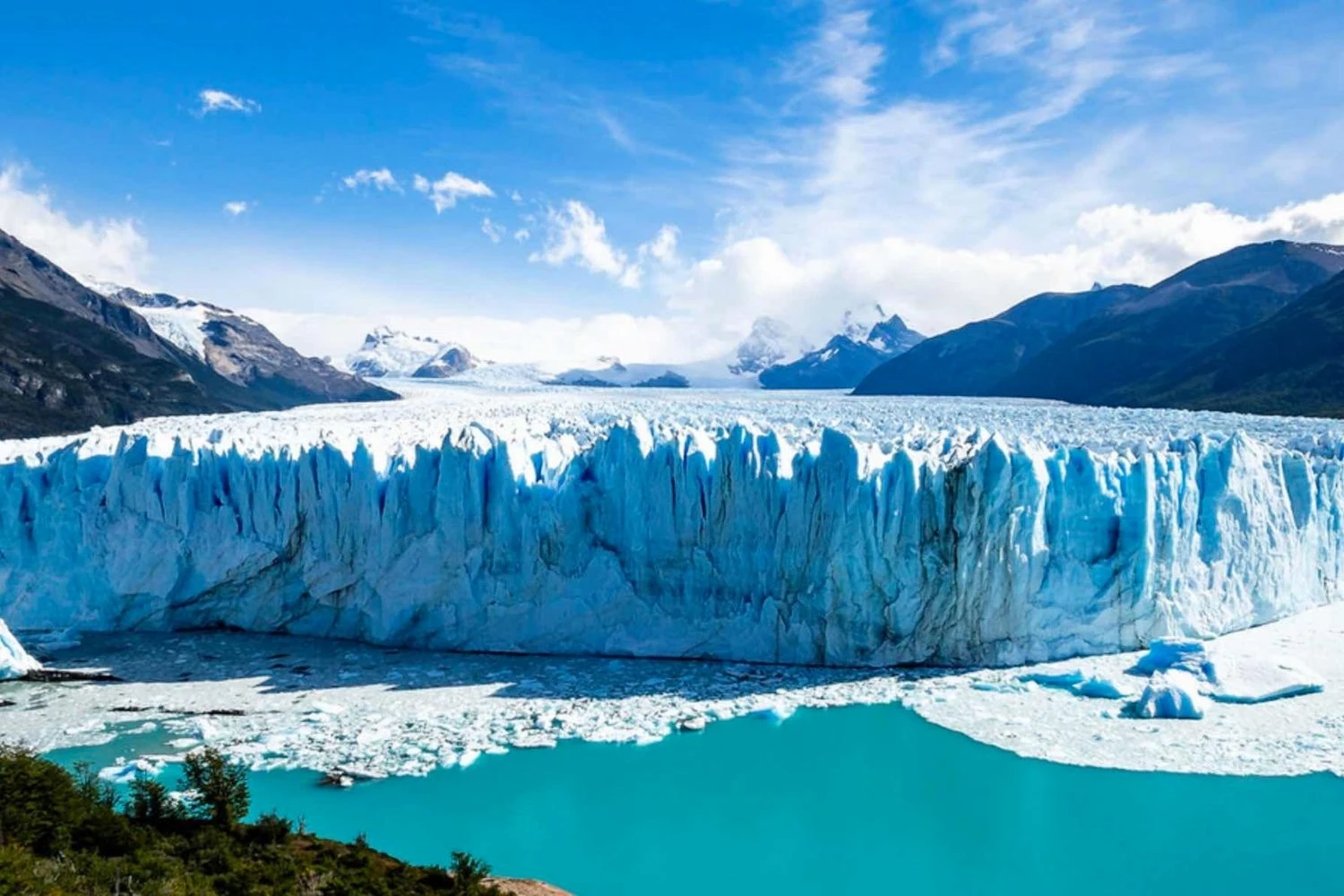
El Calafate is the gateway to Perito Moreno Glacier, which is internationally recognised for its dynamic cycle of advance and periodic rupture, making it one of the most active and spectacular glaciers on the planet, according to the National Park Administration of Argentina. With a front face approximately 5 km wide and between 60 and 70 metres of height visible above the water, its calving events sound like distant thunder.
The experience works for all ages because the walkways are accessible without any special physical requirements: paved paths, viewpoints at different levels and no need to walk long distances. For families with grandparents or young children, it is one of the most surprisingly accessible destinations in all of Patagonia. For the families we have accompanied, El Calafate is often one of the most remembered moments of the trip — not because it is the most active day, but for precisely the opposite: the moment when the whole group falls silent, watching the ice and understanding the real scale of what they are seeing. That kind of shared experience works especially well on multigenerational trips.
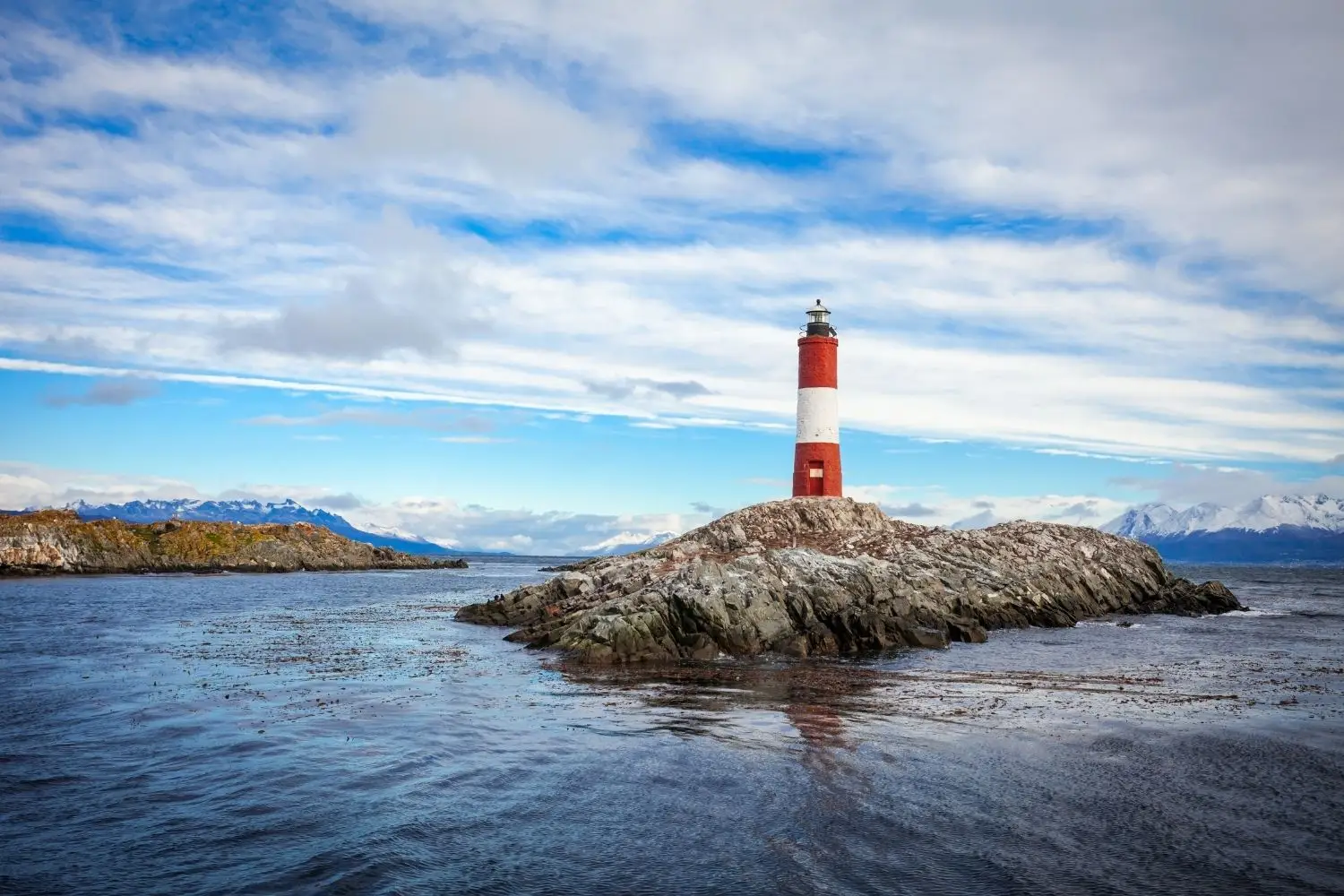
Ushuaia, the world’s southernmost city, holds a special appeal. The Beagle Channel, Tierra del Fuego National Park and the cruise through the strait create a stage very different from the rest of Patagonia. But we don’t always recommend including it in family routes where time is tight. It requires an additional flight, its own nights and a specific rhythm. The right question is not whether it fits in the itinerary. It is whether it improves the trip.
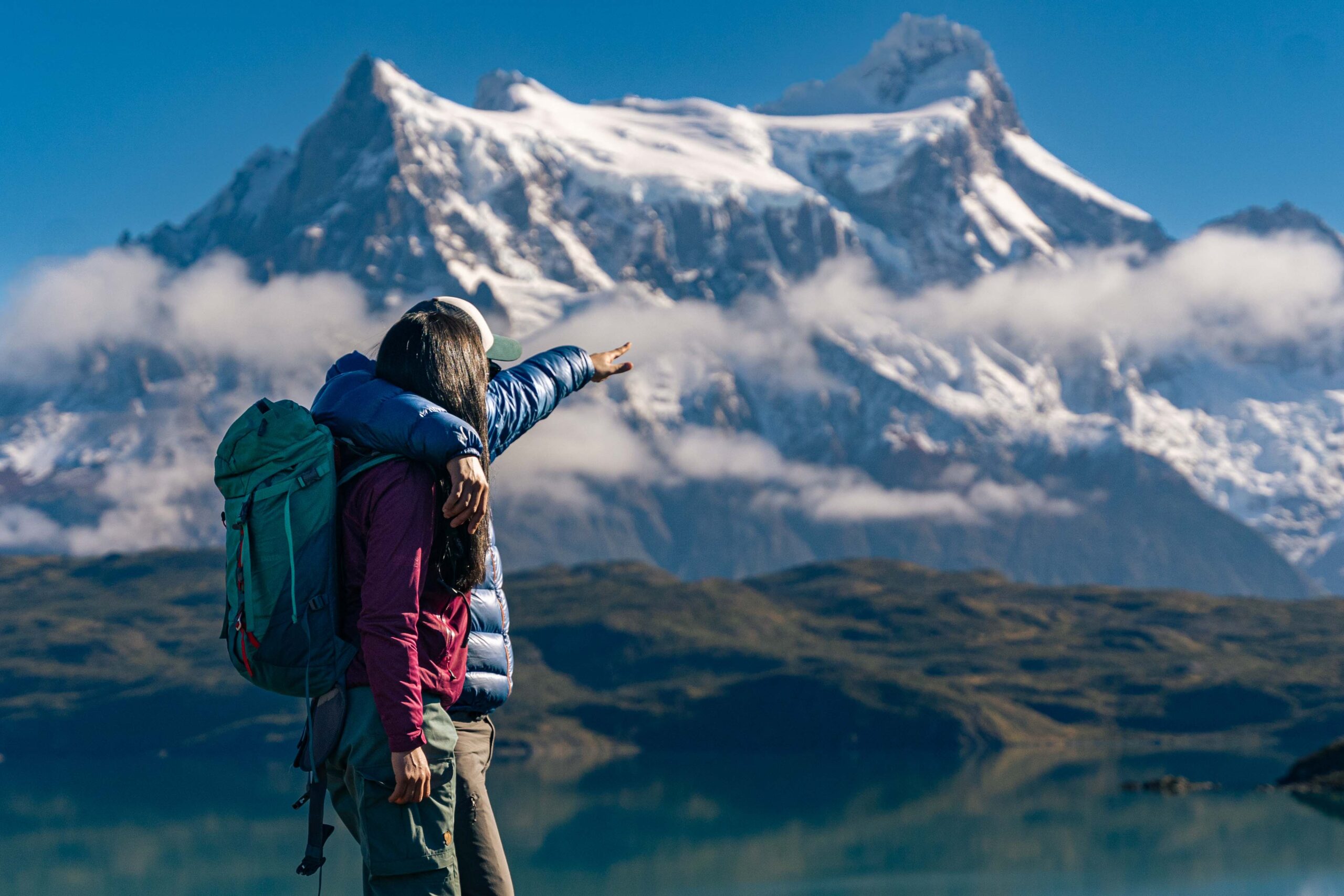
Torres del Paine, in Chilean Patagonia, is one of the most impressive national parks in the world: over 181,000 hectares of granite towers, glaciers and turquoise lakes. The usual entry for Mexican travellers is via Santiago de Chile and Punta Arenas. It is perfectly visitable as a family — the main excursions require no technical equipment — but it demands more logistical planning than the Argentine destinations, and it is worth setting aside at least two full days inside the park. It is a stage we recommend especially for trips of 18 days or more.

On a family trip to Patagonia, private services are not a question of luxury. They are a question of comfort, flexibility and operational peace of mind. A private transfer allows schedules to be adjusted to the group’s real pace. A private guide can adapt the rhythm, skip explanations when someone is tired or spend more time on something that sparks interest. A well-chosen excursion avoids unnecessary waiting. That flexibility is what makes a multigenerational trip work rather than generate tension.
If someone gets tired, the group needs room to reorganise. If the weather changes in Patagonia — a regular occurrence — alternatives need to be available. If a flight is delayed, someone needs to be managing the logistics. For many Mexican families, that peace of mind is an essential part of the value of the trip, not a dispensable extra.
In our experience, most families are looking for comfortable, well-located hotels with good service and reliable standards. In Patagonia, which doesn’t have an abundance of five-star options, that search almost always leads to the same conclusion: a good four-star hotel, boutique or superior, fits better than a scarce luxury option or a small property with limited services.
Location also matters a great deal. A beautiful hotel in the wrong place can complicate every transfer of the day. When you are travelling with children, grandparents or a large group, that difference is felt every single day. That’s why we don’t recommend hotels based on category alone — we recommend them based on how they perform within the specific itinerary we have designed.
Argentina has a food culture completely different from Mexico’s, and that contrast creates genuine curiosity from day one. Patagonian asado is not just a cooking technique: it is a ritual that takes time and works very differently at a private estancia than at a tourist restaurant. Bariloche’s artisan chocolates, Patagonian wines, lake trout and Buenos Aires’s contemporary restaurant scene add dimensions that many travellers don’t see coming.
On family trips, food has a particular value: it is the moment when everyone gathers, talks through the day and slows down. That’s why we build gastronomic experiences into the itinerary naturally, not as a list of restaurants but as an organic part of the rhythm of the trip.

Patagonia invites big ambitions. Bariloche, El Calafate, Ushuaia, Torres del Paine, El Chaltén, Buenos Aires, Iguazú. Every destination seems essential and every one of them deserves the trip. But on a family route from Mexico, adding too many destinations almost always carries a cost that doesn’t appear in the initial itinerary: more flights, more hotel changes, more luggage, more timetables, more accumulated fatigue.
When several generations are travelling together, that wear multiplies. The trip starts to lose its natural rhythm and the most valuable moments disappear under the pressure of transfers. That is why we often recommend reducing the route — not because the destinations aren’t worth it, but because every place needs time to be genuinely experienced.
Many families arrive with the full map in their heads: the glacier, Bariloche, Buenos Aires, Ushuaia. But when they return, the conversation changes. They talk about a long lunch at a Patagonian estancia where the grandparents didn’t want the afternoon to end. About a child seeing snow for the first time in Bariloche. About that moment at Perito Moreno when the whole group fell silent for several minutes, just listening to the ice. Those moments can’t be planned. But they appear far more easily when the itinerary has the right pace.
When we plan a family Patagonia trip from Mexico, we don’t start from a standard route. We start from a conversation: who is travelling, what each person hopes to get from it, what level of comfort the family is looking for, what pace they want to keep and what kind of memories they’d like to take home. From there we design a route with flights, hotels, private transfers, excursions and rest time built to work on the ground, not just on paper.
If you’d like to see how we structure a full route from Mexico, you can consult our main guide: How to plan a trip to Patagonia and Argentina from Mexico.
Constance Abad — Founder and director of Qwerty Travel
She has spent over fifteen years designing tailor-made trips across Argentina and Patagonia, working directly with operators, local guides, hotels and ground services in Buenos Aires, Bariloche, El Calafate, Ushuaia and Torres del Paine. She has organised itineraries for over four hundred families from Mexico, Europe and Latin America, with particular expertise in multigenerational routes combining nature, gastronomy and private services adapted to the real pace of each family group.
LinkedIn: linkedin.com/in/constance-abad
For a first family experience, we recommend between 12 and 15 days combining Buenos Aires, Bariloche and El Calafate. If Ushuaia is to be added, 16 days or more is advisable. Below ten days, the pace is too demanding for multigenerational travel.
Yes, and with an important advantage: Argentine Patagonia presents no altitude problems. Bariloche is at 760 m, El Calafate at around 200 m and Ushuaia at sea level. The Perito Moreno Glacier walkways are accessible without any special fitness requirements. The key is adapting the pace, transfers and excursions to the real profile of the group.
Bariloche and El Calafate are the two destinations that work best in combination. Bariloche for its lakes, mountains, gentle activities and gastronomy. El Calafate for the Perito Moreno Glacier, which delivers an extraordinary visual impact without requiring any physical effort. Ushuaia is recommended when there are enough days; Torres del Paine when the trip includes Chilean Patagonia.
Yes, if there are enough days. With 16 days or more it can be a very memorable stage. If the itinerary is already full, it is better to leave it for a second trip than to include it with too little time. Adding it to a tight itinerary can undermine the experience at the main destinations.
Because on a multigenerational trip flexibility is not a luxury — it is an operational necessity. Private transfers allow schedules to be adjusted to the group's real pace. Private guides adapt the rhythm and content to the ages and interests of each person. And if anything changes — weather, tiredness, a delay — there is room to reorganise without ruining the day.
For most Mexican families, a well-located four-star hotel works better than extreme luxury options or properties that are too small. Location is just as important as category, especially when travelling with children or elderly relatives: a well-situated hotel saves time and energy on every day of the trip.
We design your family Patagonia trip from Mexico
Every trip starts with a conversation. Tell us who is travelling, what ages they are, how many days you have and what you’d like to remember when you get home. From there we design a personalised route with private services, hand-picked hotels and rest time built in — so that everyone enjoys the trip.
First consultation, no commitment: we’ll tell you exactly what you will — and won’t — see based on your dates, your family and the time available.
www.qwerty-travel.com · info@qwerty-travel.com