
By Constance Abad — Founder and Director of Qwerty Travel
Patagonia is often imagined as a land of endless roads, spectacular mountains, glaciers, lakes and landscapes that seem to stretch forever. And, to some extent, it is.
But that is precisely where one of the most common problems appears when planning this kind of journey: many travelers completely underestimate how Patagonia actually works on the ground.
Distances are much greater than they seem on a map, the weather has a major impact on the experience, and small planning mistakes can turn an extraordinary trip into an exhausting itinerary.
After years of designing routes across Chilean and Argentine Patagonia, we continue to see the same patterns repeated. And most of them have very little to do with budget. They are usually the result of unrealistic expectations and decisions made without fully understanding the territory.
| Mistake | Why it happens | How to avoid it |
|---|---|---|
| Too many destinations, too little time | An itinerary designed around a map rather than the territory itself | Focus on 2–3 regions and give them the time they deserve |
| Underestimating distances | Patagonian roads are slow and strong winds increase travel times | Calculate realistic travel times, including border crossings |
| Rigid itinerary with no weather flexibility | Patagonian weather can change several times a day | Include buffer days and prepare alternative options |
| Visiting Torres del Paine as a day trip | Prioritising “seeing” the park instead of truly experiencing it | Spend at least 2–3 nights inside or near the park |
| Treating Ushuaia as an automatic add-on | It is associated with Patagonia but follows its own logic and rhythm | Include it as a separate stage with dedicated time |
| Assuming everything requires extreme trekking | The destination is strongly associated with adventure travel | Adapt activities to the traveler’s real interests and abilities |
| Driving everywhere | The romantic appeal of the Patagonian road trip | Use domestic flights for long routes with little scenic value |
| More destinations = a better trip | Fear of missing out | The best memories come from moments, not checklists |
This is probably the most common mistake of all.
Many travelers build their itinerary by adding every “must-see” destination without realistically calculating how much time it takes to move around Patagonia.
On paper, combining Torres del Paine, El Calafate, El Chaltén, Ushuaia and the Carretera Austral in less than two weeks may seem feasible. On the ground, it usually feels like a constant sequence of roads, airports and hotel changes.
After several days of that pace, many travelers find themselves exhausted before they have truly begun to experience the places they dreamed about for months.
The pace consumes the journey before the journey even begins.
If you are currently planning your route, our guide on how many days you really need in Patagonia can help you compare itineraries of 10, 15 and 20 days.
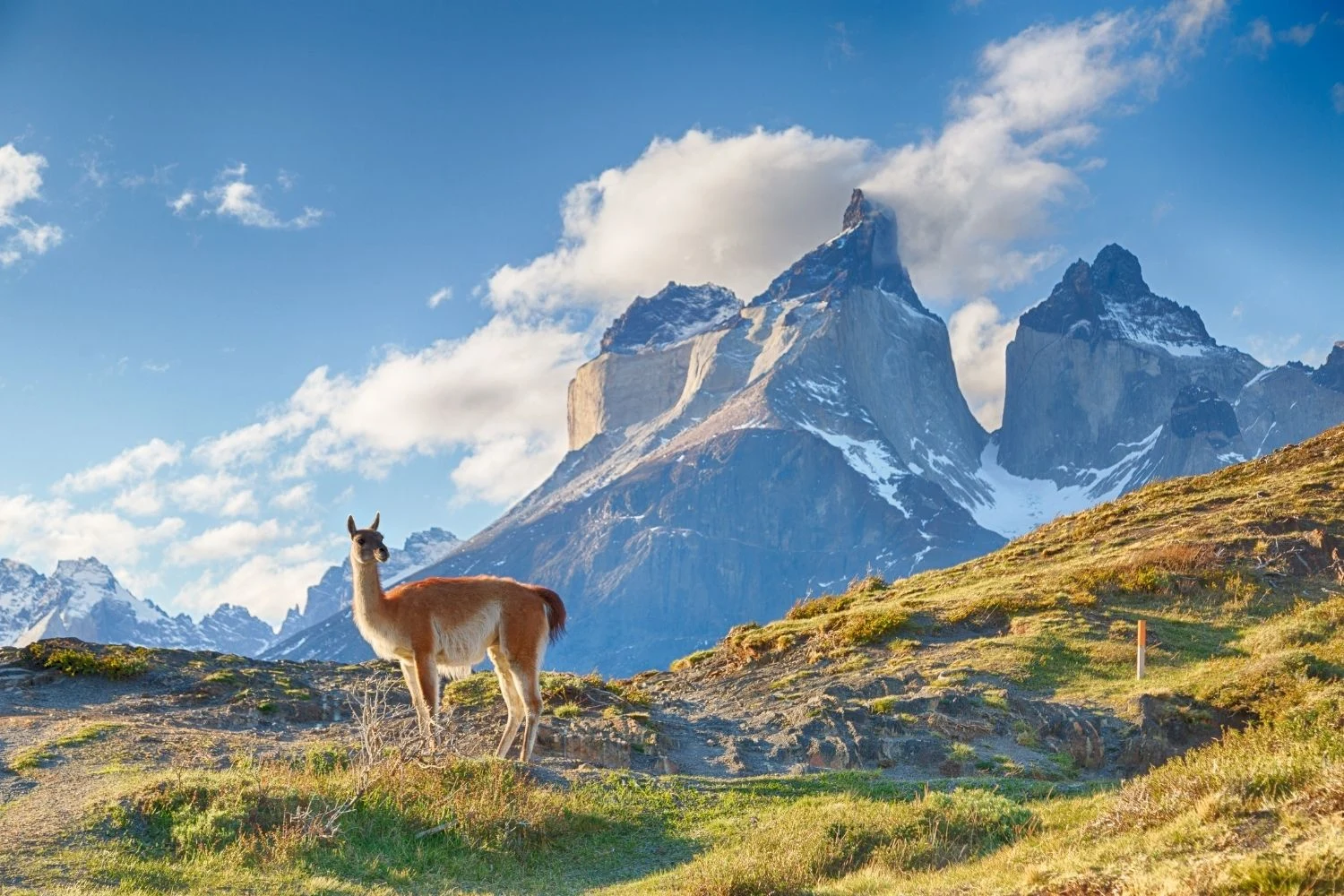
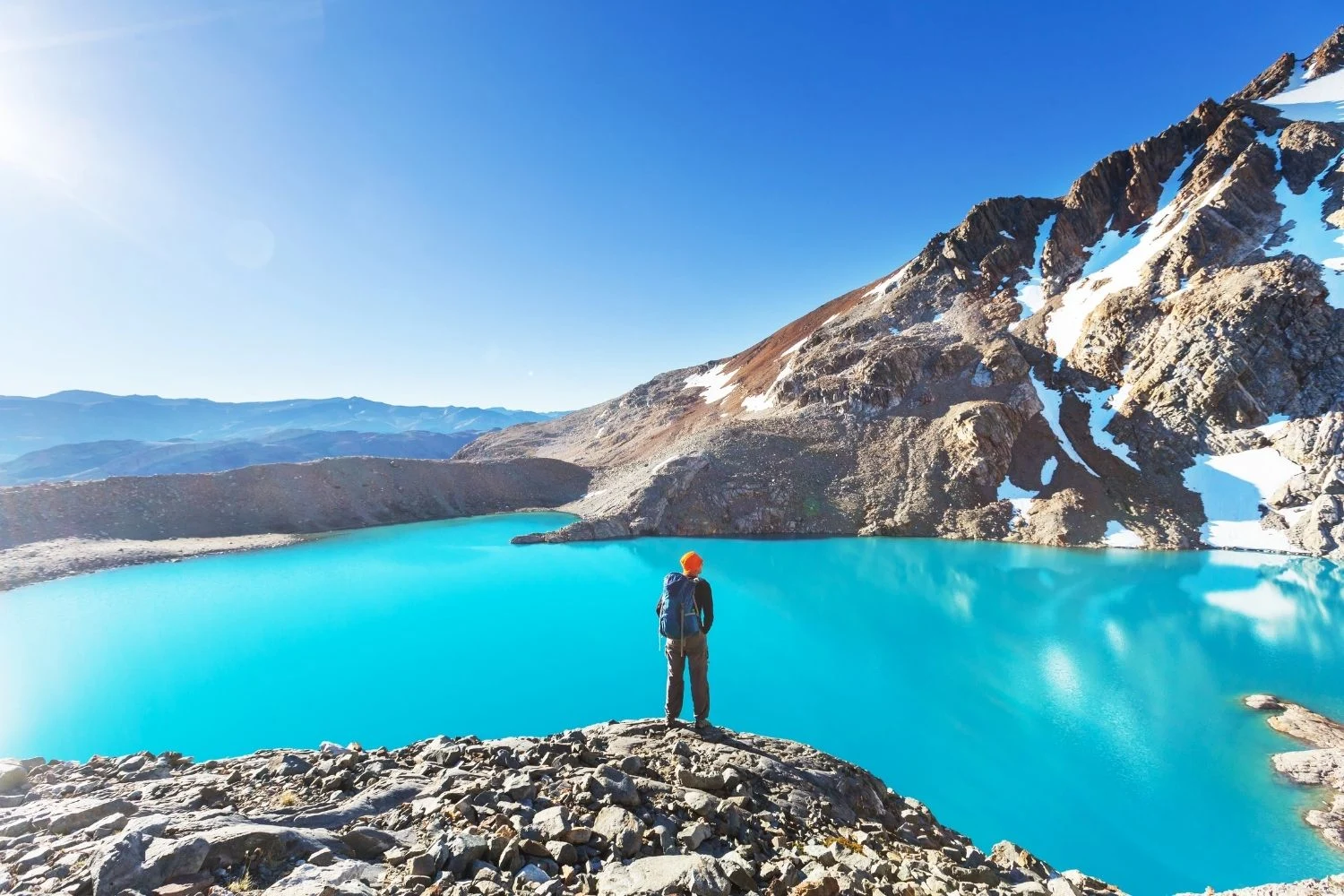
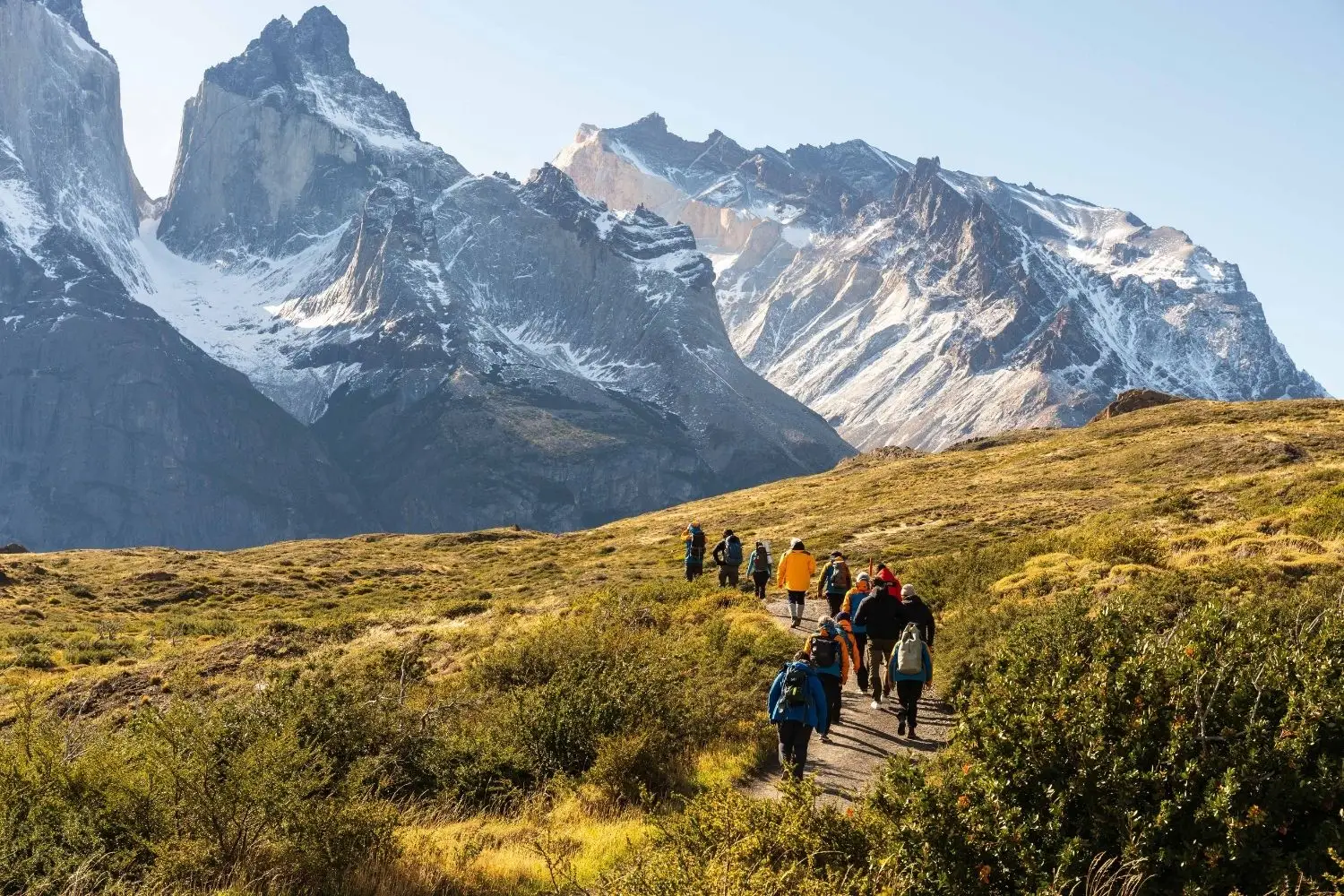
Many routes look relatively simple on a map.
However, factors such as gravel roads, strong winds, limited services and border crossings completely change the perception of distance.
We have seen travelers leave El Calafate convinced they would comfortably reach Torres del Paine before lunch, only to find themselves crossing the border after dark.
| Route | Road distance | Estimated travel time | Factors that extend the journey |
|---|---|---|---|
| El Calafate → Torres del Paine | ~270 km | 4–5 hrs + border crossing | Gravel roads, strong winds, Chilean customs |
| El Calafate → El Chaltén | ~215 km | 3–4 hrs | Crosswinds, gravel sections |
| El Calafate → Ushuaia | ~600 km + ferry | Full-day journey | Border crossing + Strait of Magellan crossing |
| Puerto Natales → Punta Arenas | ~250 km | 3 hrs | Strong winds, slower roads |
The scale of Patagonia is difficult to understand until you experience it firsthand.
A distance that seems manageable in Europe can easily become a full travel day in southern Argentina or Chile.
Patagonian weather gives no warning.
You can wake up to a clear blue sky, face powerful winds by mid-morning and find yourself in the rain before the afternoon is over. Overly tight itineraries simply do not survive these changes.
Excursions are occasionally cancelled. Hikes are delayed. Boat trips may depart later than expected because lake conditions suddenly change. When a trip has no flexibility built into it, frustration becomes inevitable.
What should be understood as part of the Patagonian experience turns into a problem simply because the itinerary leaves no room for adaptation.
Many people treat Torres del Paine as a quick stop within a much larger Patagonia itinerary. And while it is technically possible to see the park in a short period of time, the experience changes dramatically when you allow it the pace it deserves.
The issue is not simply about seeing the park. It is about experiencing it.
There are mornings when the granite towers seem almost unreal. There are afternoons when a single cloud transforms the entire landscape within minutes. Trying to rush through the park often means missing exactly what makes it extraordinary. Torres del Paine is not a destination that rewards speed. It rewards patience.
If you are planning to include this region in your trip, we also recommend reading our guide on what to actually do in Torres del Paine.
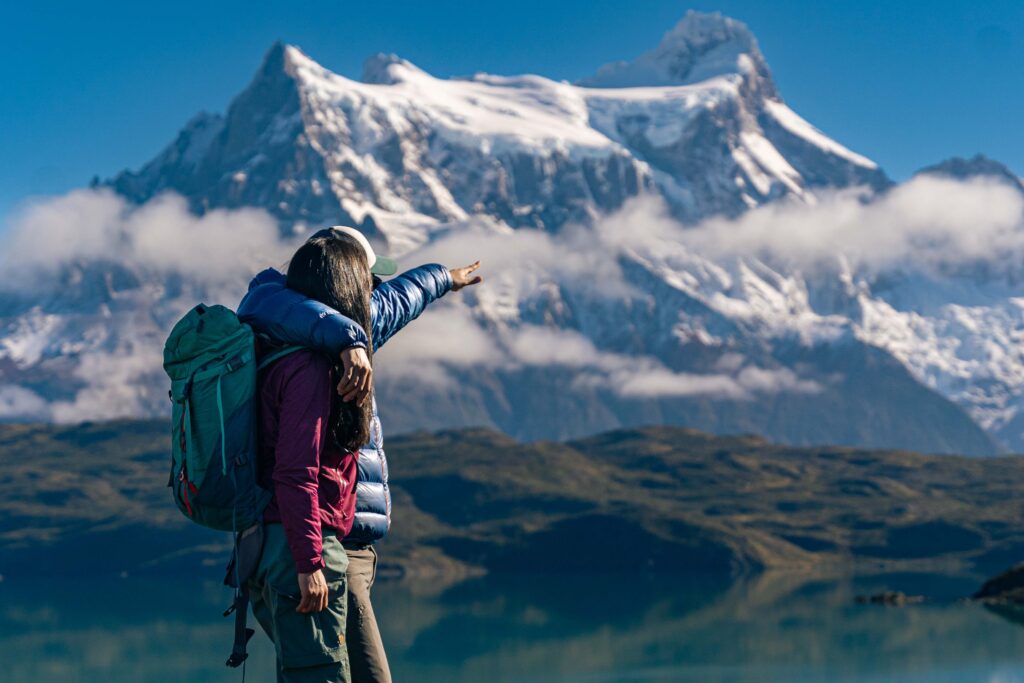
It is one of the myths that limits certain travelers the most. The destination is often associated with extreme adventure, which leads some people to rule it out before truly understanding everything it has to offer.
The reality is much broader. Yes, there are spectacular trekking routes. But Patagonia can also be experienced through boat excursions, lodges, estancias, scenic drives and wildlife watching. We have organized trips for couples looking for comfort and nature, for photographers who were more interested in light than in kilometers, and for families with children who wanted to see a glacier without needing crampons.
The idea of a Patagonian road trip is undeniably appealing on paper. But it does not always fit the time available or the type of experience a traveler is looking for.
Some routes are absolutely worth driving. The journey between El Calafate and El Chaltén, following the shores of Lake Viedma, is a good example — the scenery itself is part of the experience. Others, frankly, offer little that cannot be replaced by a 45-minute domestic flight. And those 45 minutes saved can preserve energy for what truly matters.
Driving in Patagonia is not always relaxing. Crosswinds can be extremely strong for hours at a time, and fatigue often sets in much sooner than most travelers expect.
It does not feel the same to travel in November as it does in March. The light changes, the colors of the landscape change, the wind changes, the number of travelers changes, and even the way you perceive the region changes.
In November, the steppe still carries the fresh green tones of early spring, and the days are longer than most people expect. In March, the colors become warmer and more autumnal, and it is easier to find moments of silence and solitude.
Some travelers look for very long days and maximum activity. Others prefer fewer visitors, different colors, or a quieter experience. And this is where adapting the itinerary to the specific time of year makes a much bigger difference than simply choosing the right hotel.
Hay viajeros que buscan días larguísimos y máxima actividad. Otros prefieren menos gente, colores diferentes o una experiencia más quieta. Y ahí, adaptar el itinerario al momento concreto del año marca mucha más diferencia que elegir bien el hotel.
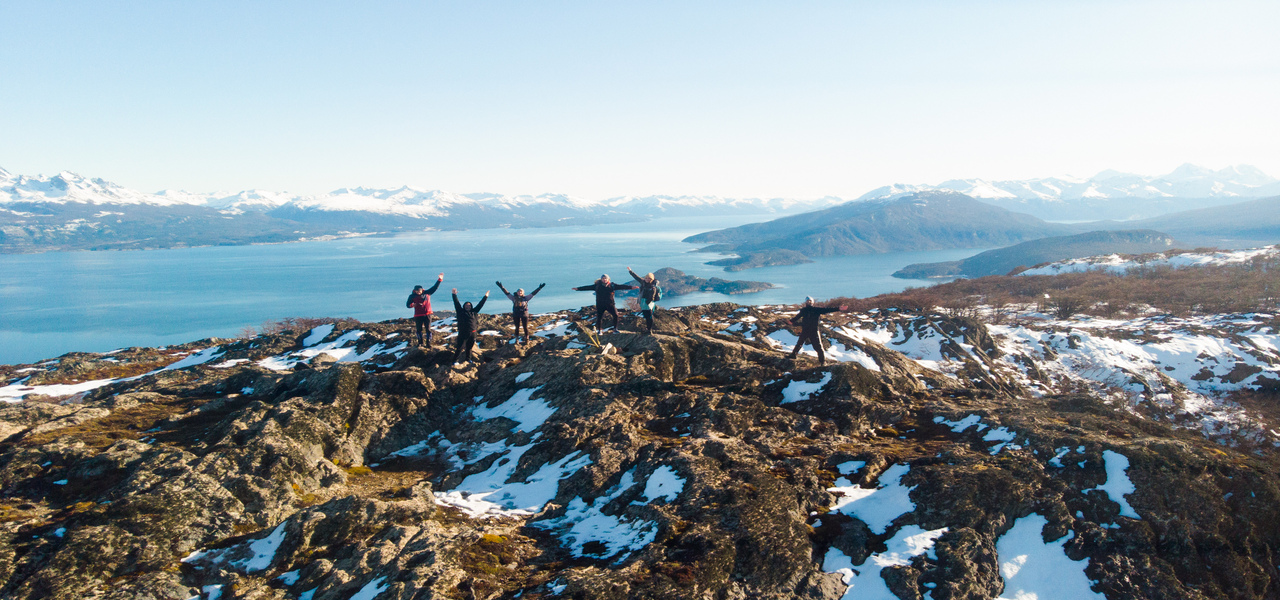
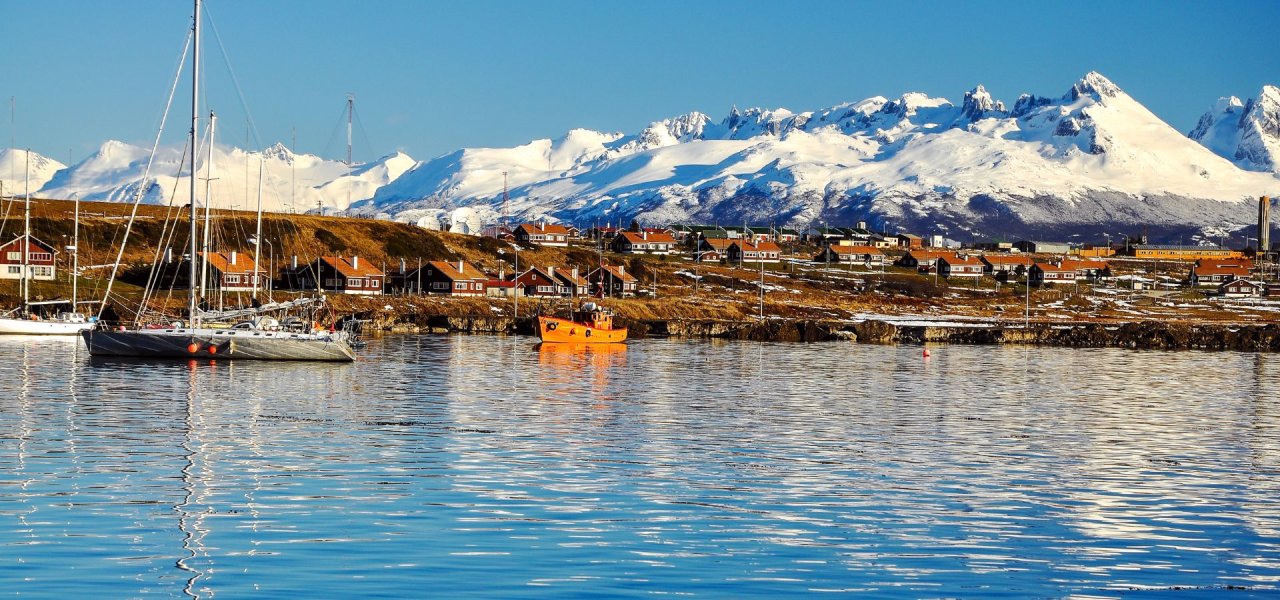
Ushuaia is often added to an itinerary almost automatically, simply because it is associated with Patagonia. In reality, however, it feels quite different from the rest of the region.
Getting to Ushuaia is not just another transfer. It means crossing the Strait of Magellan, entering the main island of Tierra del Fuego, and stepping into a completely different atmosphere. Tierra del Fuego has something far more isolated and extreme about it. The Beagle Channel, cruises among Fuegian glaciers, the constant wind, and the feeling of being literally at the end of the world create an atmosphere completely different from that of El Calafate or Torres del Paine.
Some travelers are looking for very long days and a packed schedule. Others prefer fewer crowds, different seasonal colors, or a quieter and more reflective experience. And this is where adapting the itinerary to the specific time of year makes a much bigger difference than simply choosing the right hotel.
It is not simply another stop on the route. It is a destination with its own rhythm, its own identity, and its own place within a Patagonian journey.
The mistake happens when travelers try to fit Ushuaia into an already overloaded itinerary, leaving so little time that they barely have the opportunity to understand the place they are visiting or experience what makes it unique.

Argentine and Chilean Patagonia work exceptionally well together when the route is thoughtfully designed. The problem arises when too many border crossings, too many flights, or too many changes of pace are squeezed into a short period of time.
A sense of continuity is essential on this type of journey. An itinerary that constantly jumps from one country to another, without a clear geographic or emotional flow, can quickly start to feel like a series of transfers connected only by scenery.
Many of our travelers combine both sides of Patagonia within a broader itinerary. When the route is well structured, the transition feels natural and allows travelers to experience the region as a whole rather than as a collection of separate destinations.
You can see an example in our guide to Argentine and Chilean Patagonia.
The best memories of Patagonia rarely come from having done more. They usually come from much simpler moments: a boat excursion under perfect light, a long conversation at an estancia, a silent sunrise in front of a glacier, or an unhurried walk while the wind sweeps across the landscape.
Patagonia is not a destination that rewards rushing. And that is probably the most important mistake of all.
Patagonia changes dramatically depending on the time of year, the pace of the trip, and the way each stage connects to the next. That is why we spend so much time building itineraries that are coherent, realistic, and tailored to each traveler. There is no standard route that works equally well for everyone.
Some travelers are looking for challenging trekking adventures. Others prioritize wildlife, photography, comfort, or gastronomy. Patagonia can be an extraordinary destination for very different travel styles, provided the journey is carefully designed from the beginning and is more than just a sequence of places linked together on a map.
About the author
Constance Abad
Founder and Director of Qwerty Travel
A specialist in Argentine and Chilean Patagonia, Constance has spent more than a decade designing tailor-made itineraries across the southernmost regions of South America. She has personally explored the area’s most iconic routes and works closely with local guides and operators in El Calafate, El Chaltén, and Torres del Paine to create journeys that reflect the realities of the territory and the expectations of each traveler.
It depends on the areas you want to include and the pace you are looking for. As a general guideline, less than 10 days is usually not enough to combine both Argentine and Chilean Patagonia comfortably. A journey of 15 to 20 days allows for a much more balanced experience, with time to enjoy the landscapes rather than simply moving between them.
No. While Patagonia is famous for its trekking opportunities, it can also be enjoyed through scenic drives, glacier cruises, wildlife experiences, estancia stays, photography trips, and luxury lodges. Many travelers visit Patagonia without undertaking any demanding hikes.
Yes, but it should be treated as a destination in its own right rather than as a quick add-on. Tierra del Fuego offers a completely different atmosphere, with the Beagle Channel, remote landscapes, and the feeling of being at the end of the world. Ideally, Ushuaia deserves at least two or three nights.
There is no single answer. October and November offer long days, fewer visitors, and beautiful spring landscapes. December to February provide the warmest temperatures and maximum accessibility. March is often a favorite among experienced travelers thanks to the quieter atmosphere and autumn colors. Each season creates a very different experience.
Every journey begins with a detailed conversation about what you want to see, when you want to travel, and the pace that suits you best. From there, we recommend the experiences, destinations, and itinerary that fit your travel style and expectations.
Your first consultation is completely free and without obligation. We will tell you exactly what you can realistically see — and what is not worth trying to include — based on your travel dates and the time available.