Perito Moreno Glacier: when to travel, how to visit and what to know before you go
Por: Constance, de Qwerty Travel · Actualizado: abril 2026 · Lectura: 11 minutos ·
The first mistake many travelers make when planning Patagonia is thinking that Perito Moreno Glacier is simply a day excursion from El Calafate. In reality, it is an experience that changes completely depending on the time of year, the light, the wind, the amount of time dedicated to it and, above all, how it fits into the wider journey.
We have spent years organizing trips across Argentine and Chilean Patagonia, and if there is one thing we see constantly, it is that many itineraries fail not because of the destination itself, but because of how they are structured: too rushed, poorly connected or built without understanding how Patagonia actually works on the ground. Distances are real here. The weather shapes the trip. And rhythm matters far more than most travelers imagine before arriving.
This guide is designed precisely to avoid those mistakes.
Many of our travelers include Perito Moreno as part of a broader Argentine and Chilean Patagonia itinerary, combining glaciers, trekking, estancias and national parks in the same route. You can see an example here: Argentine and Chilean Patagonia: complete journey.
| Destination | Perito Moreno Glacier — Los Glaciares National Park, Santa Cruz, Argentina |
| Best season | October-November and February-March (lower crowds, excellent conditions) |
| From El Calafate | 80 km via Provincial Route 11, fully paved (~1h 30 min) |
| UNESCO status | Los Glaciares National Park, UNESCO World Heritage Site since 1981 |
| Tickets | Argentina National Parks Administration — ventaweb.apn.gob.ar |
| More information | argentina.gob.ar/parquesnacionales/losglaciares |
What makes Perito Moreno Glacier unique
Inside Los Glaciares National Park, declared a UNESCO World Heritage Site in 1981, Perito Moreno occupies a singular place within Patagonia’s glacial landscape. With a surface area of 250 km² and a length close to 30 km, its front descends into the southern arm of Lake Argentino, reaching heights of up to 74 meters above water level, according to Argentina’s National Parks Administration.
What makes Perito Moreno a glaciological case study is its dynamic behavior. Although for decades it was considered a glacier in equilibrium, recent research published in Nature (2024) documents an acceleration in the retreat rates of its front, suggesting growing sensitivity to climate change. The scientific debate about its evolution remains open among glaciologists.
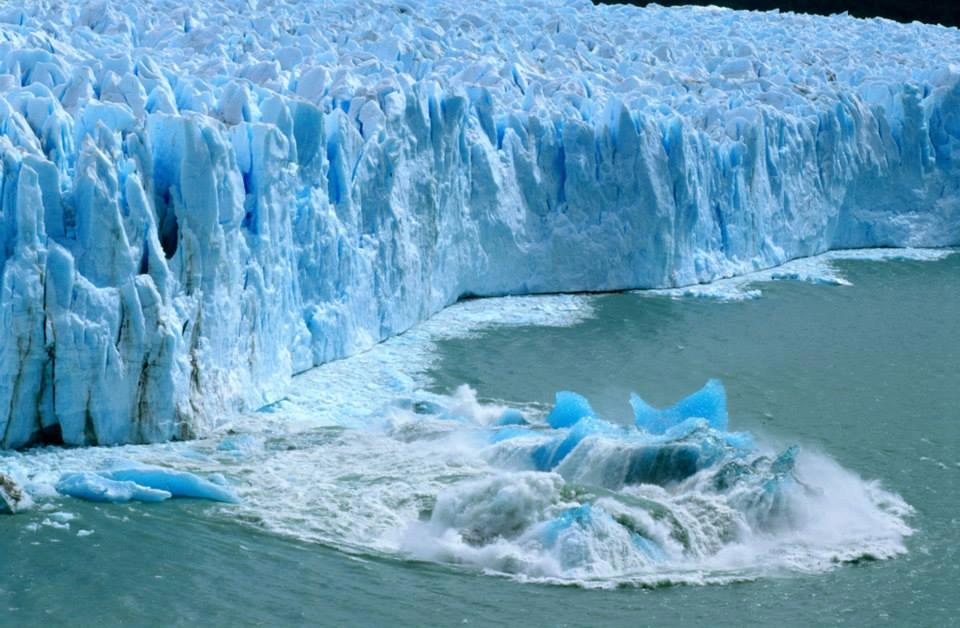
What does remain constant is the spectacle itself: the glacier advances at roughly two meters per day, generating constant icefalls that are part of the living landscape.
- Glacier front: 5 km wide
- Visible height above the lake: up to 74 m
- Total surface: 250 km²
- Length: ~30 km
- Los Glaciares National Park: UNESCO World Heritage Site since 1981
The true impact of the place is not understood through technical data. It is understood when the glacier cracks, when a wall of ice collapses into the water with a dry thunder-like sound, or when several minutes pass in total silence while everyone waits for the next collapse.
And that is where an important difference appears: visiting Perito Moreno is not simply about arriving, taking photos and leaving. The experience changes enormously depending on the time of day, weather conditions and how the visit itself is organized.
When is the best time to visit Perito Moreno Glacier?
The quick answer would be between October and April. The correct answer depends on the type of experience you want.
October and November: probably the best balance
This is one of the seasons we recommend most often. Summer crowds have not fully arrived yet, days are long (up to 17 hours of daylight during peak season, according to Fundación Aquae) and the landscape still feels much wilder.
Spring light in Patagonia is extraordinary for photography and observation.
The emotional experience changes as well: less noise, fewer visitors and a stronger feeling of isolation. For travelers who prioritize quality of experience over warmer temperatures, this is probably the best time of the year.
December and January: easier logistics, but also more tourism
These are the easiest months for traveling. Temperatures are milder (between 10 and 17 °C), daylight lasts forever and roads are generally in good condition.
But these are also the months when the difference between a carefully designed itinerary and a standard one becomes most obvious. Many summer trips fail because they try to absorb too many visits during the busiest hours of the day, when the park becomes saturated and the experience loses much of its impact.
Here, planning changes everything: entering the park at the right moment and avoiding overloaded days makes far more difference than most travelers imagine.
February and March: Patagonia at its calmest
March is one of the most underrated months in the region. Temperatures are still pleasant, but visitor numbers drop significantly. The light begins to change, autumn colors appear and the landscape gains visual depth.
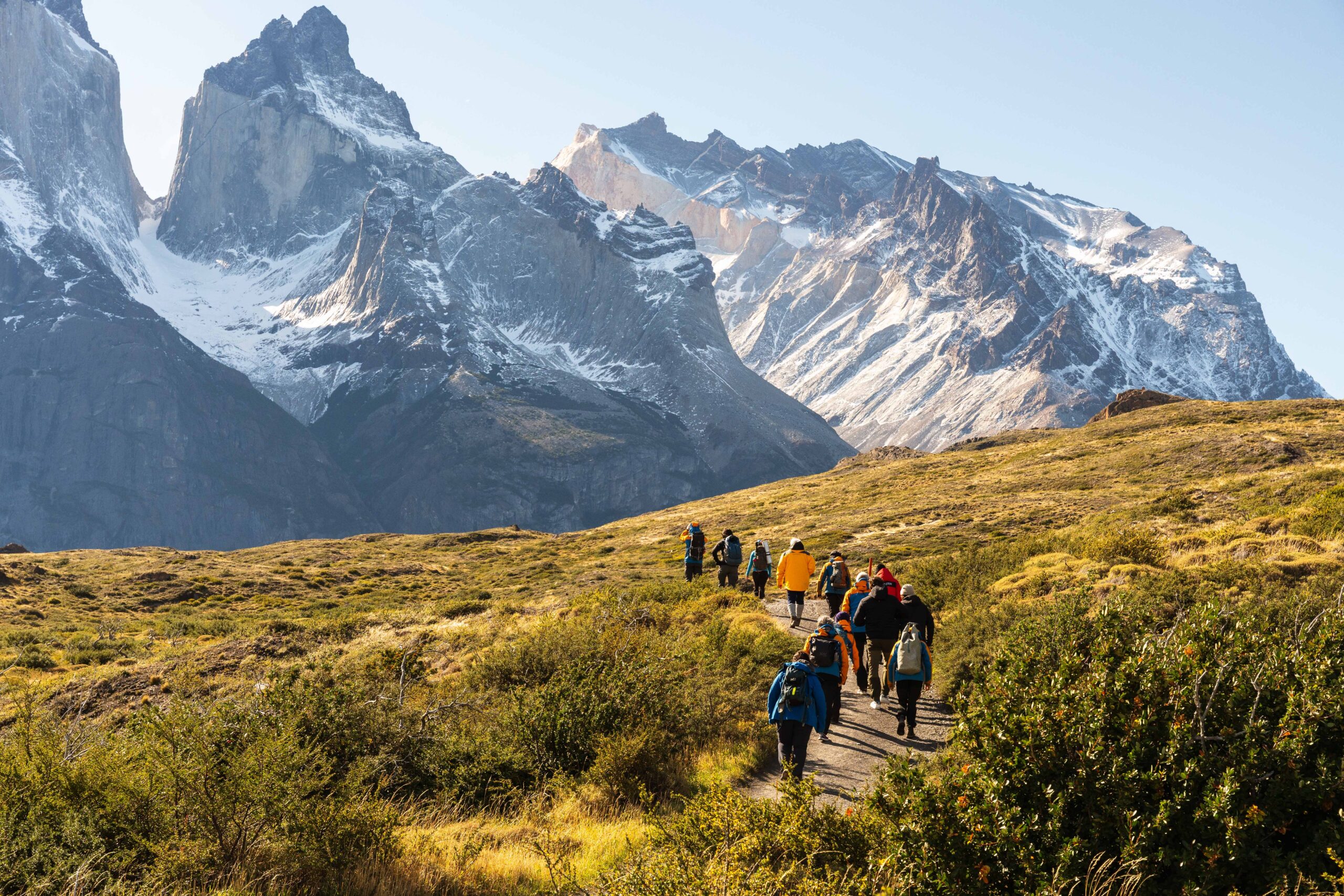
It is an excellent time to combine Perito Moreno with El Chaltén, Torres del Paine or Patagonian estancias.
Many of our most experienced travelers end up preferring March over January precisely because Patagonia feels quieter and less rushed.
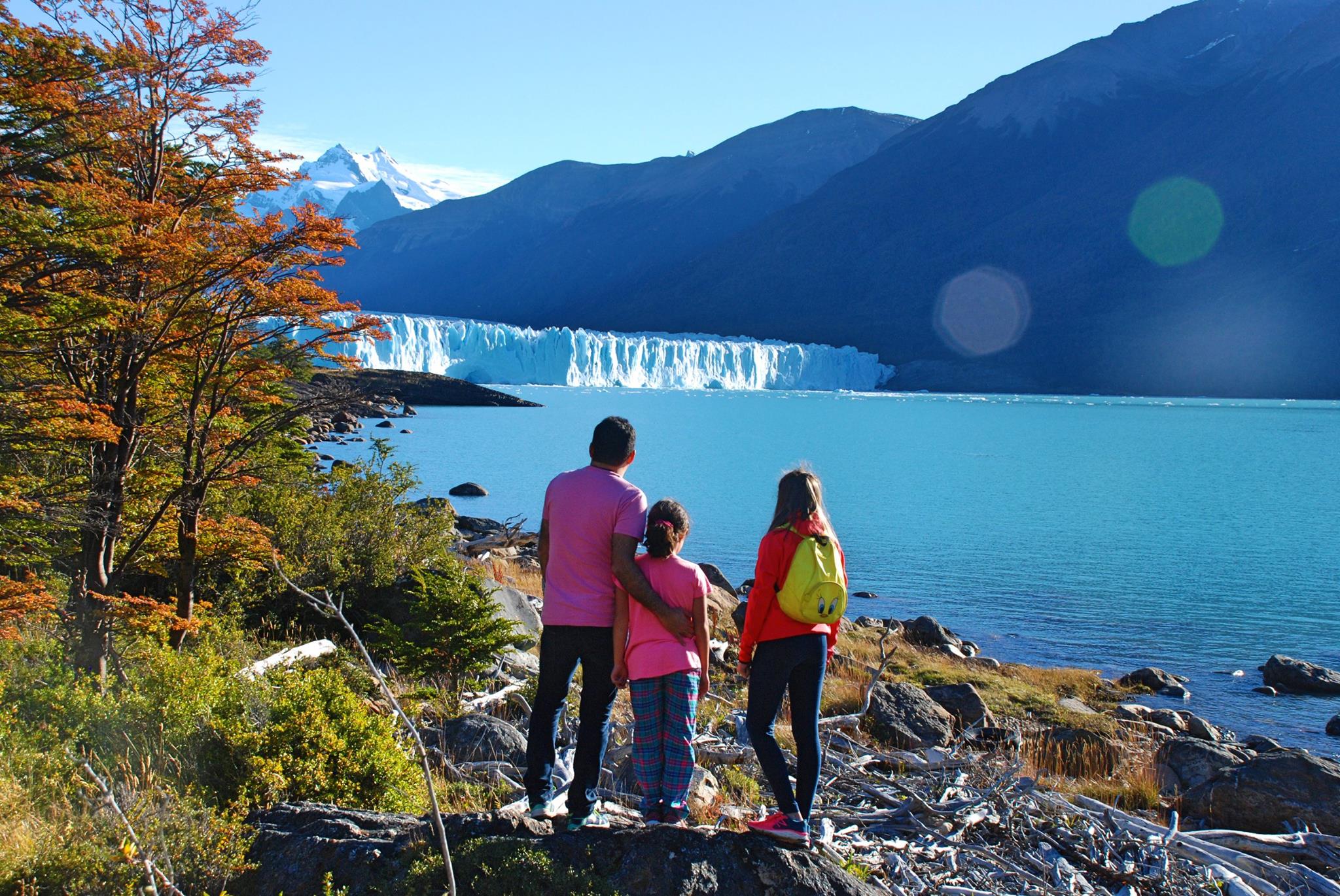
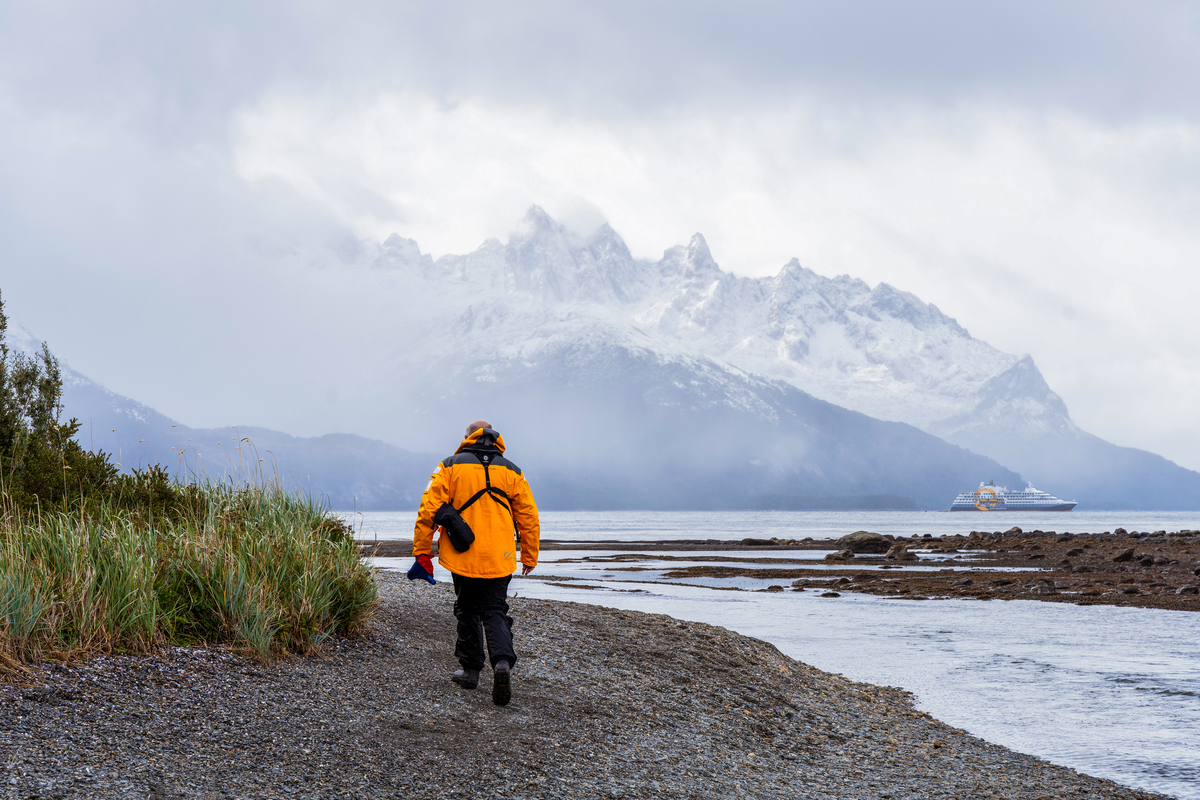
Winter (June to August): a completely different experience
The glacier can be visited all year round. During winter, the park regains a total sense of calm and snow adds another dimension to the scenery. Temperatures range between −3 and 6 °C and daylight hours are limited.
There are important limitations to understand: fewer excursions available, strong winds and more demanding logistics. Los Glaciares National Park adapts its opening hours according to the season (updated schedules are available at argentina.gob.ar/parquesnacionales/losglaciares).
It is not usually the best option for a first Patagonia trip, although it can be extraordinary for travelers seeking a more extreme and contemplative experience.
| Season | Months | Approx. temperature | Assessment |
|---|---|---|---|
| Spring | Oct - Nov | 8-14 °C | Excellent: fewer crowds, long days, extraordinary light |
| Summer | Dec - Jan | 10-17 °C | Good: maximum accessibility, but higher tourist crowds |
| Late summer | Feb - Mar | 8-14 °C | Very good: quieter atmosphere, autumn colors, ideal for combining regions |
| Winter | Jun - Aug | −3-6 °C | Unique: snowy landscapes, very low crowds, more demanding logistics |
How to visit Perito Moreno Glacier
This is where one of the biggest differences between a generic trip and a well-designed trip appears. Because “visiting the glacier” can mean very different things.
The walkways: essential, but not enough
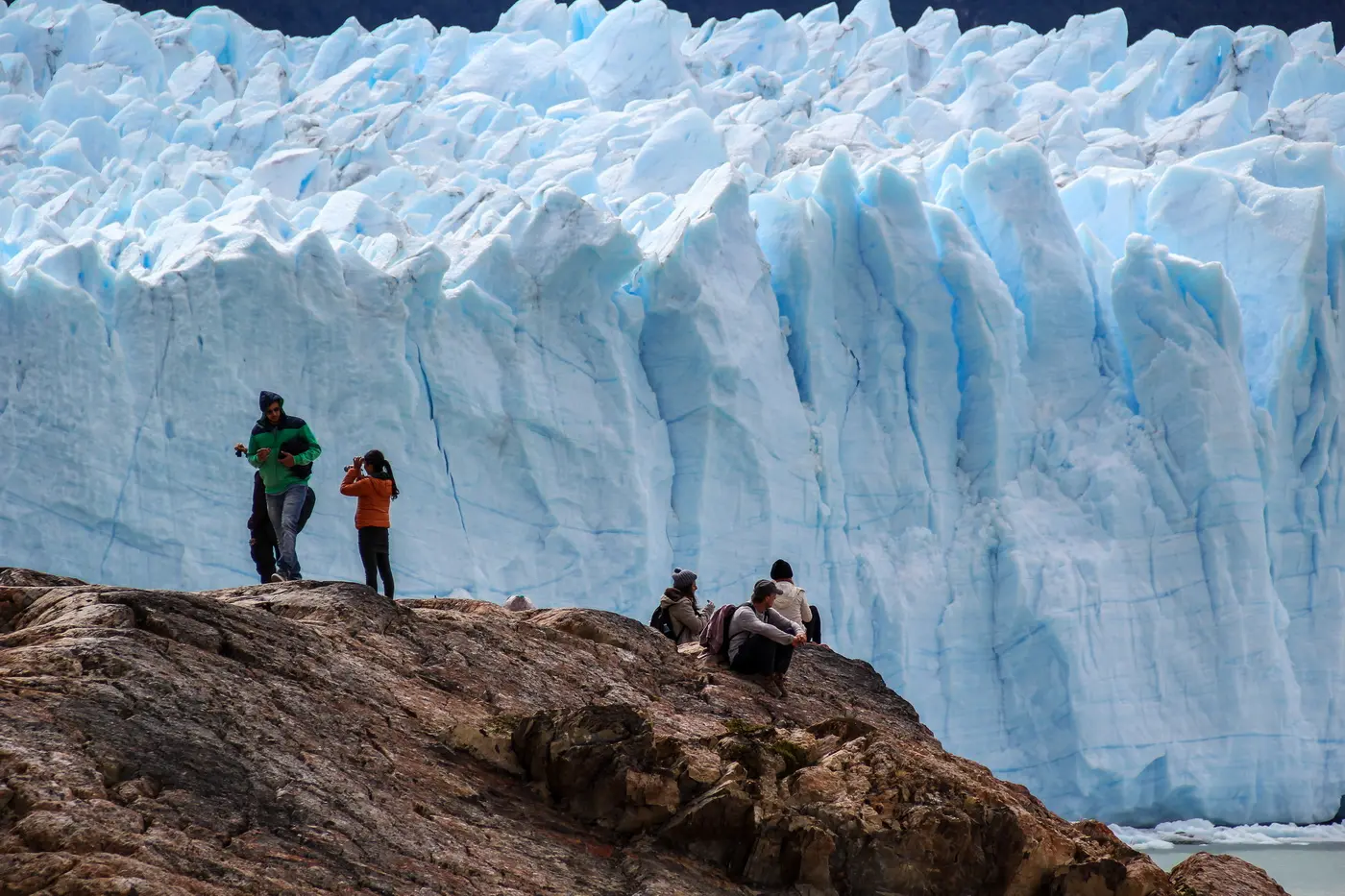
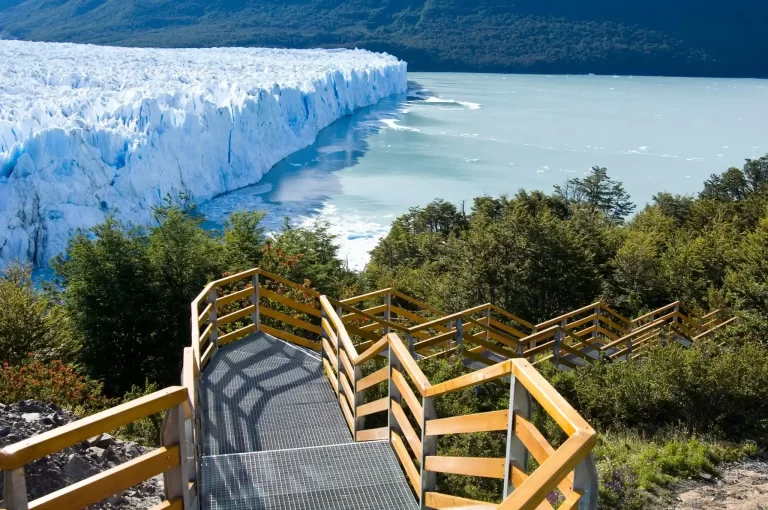
The national park walkways are very well designed and offer multiple angles of the glacier from the Magallanes Peninsula. They are absolutely essential.
The problem is that many itineraries turn the visit into a quick stop of only a few hours. Perito Moreno does not work like that. The light changes the color of the ice, the sounds evolve throughout the day and the icefalls happen whenever they want.
Staying long enough changes everything.
Some travelers have a correct visit. Others spend an hour in silence facing the glacier and suddenly understand where they are. Those are completely different experiences.
Boat navigation in front of the glacier: when it is truly worth it
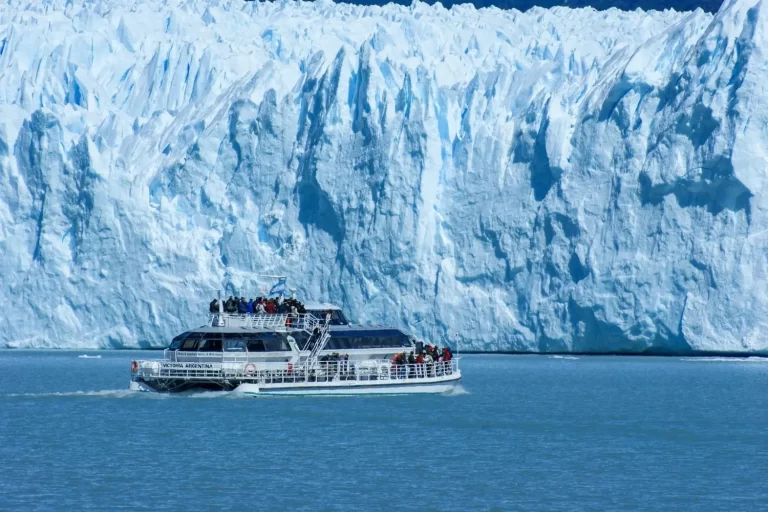
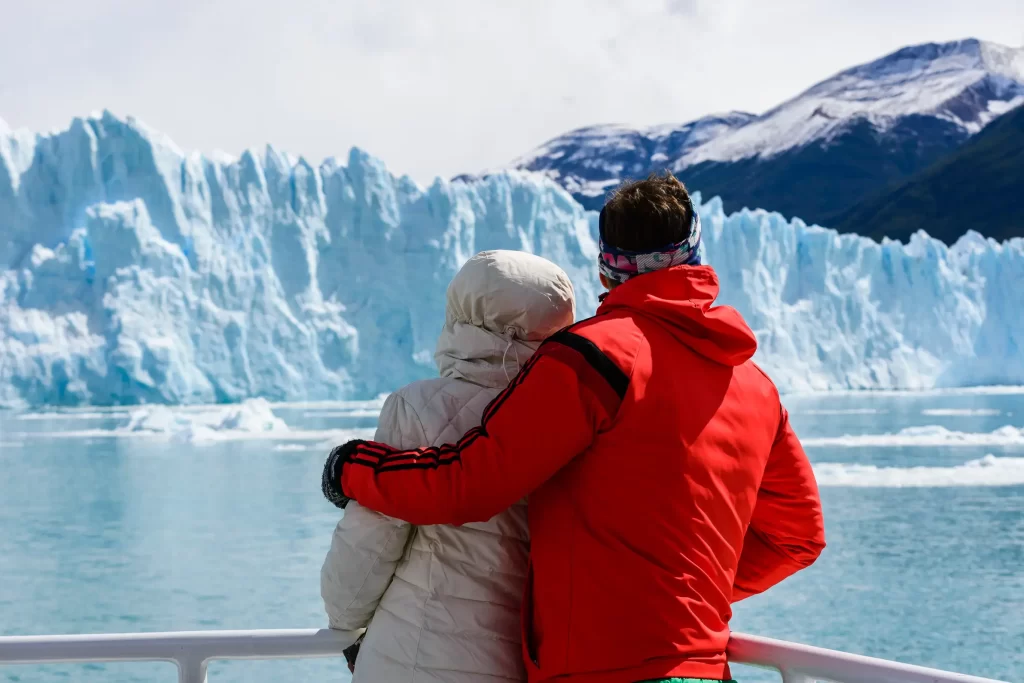
Boat excursions allow travelers to understand the glacier’s scale from the water and approach the southern face, where the dimension of the ice becomes even more impressive.
Argentina’s National Parks Administration authorizes a Safari Náutico excursion of approximately one hour, approaching within around 300 meters of the glacier wall.
Not all excursions offer the same quality. There are important differences in boat size, actual navigation time, number of passengers and proximity to the glacier face.
The navigation should complement the land experience, not replace it.
Mini trekking on the glacier: extraordinary, but not essential
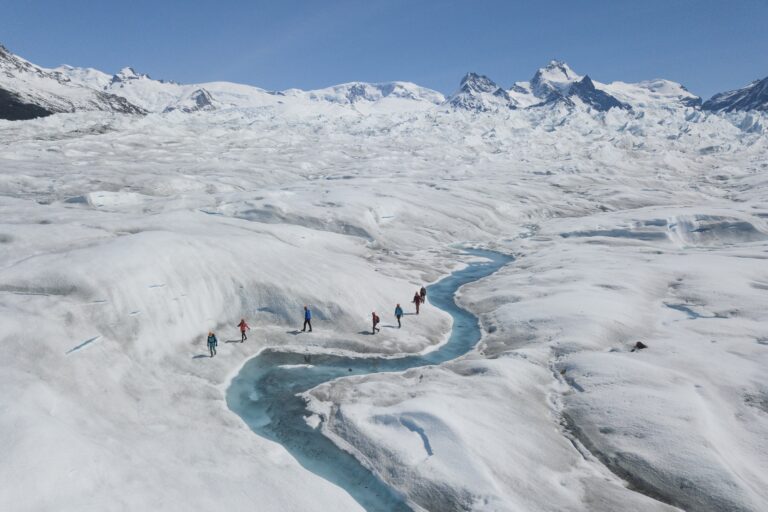
Walking on the glacier is an impressive experience. But it is also one of the most misunderstood excursions among travelers.
There is a widespread idea that “if you do not do the mini trekking, you did not really experience the glacier.” That is simply not true.
We have had travelers convinced that the trekking was essential who later told us that their favorite moment was simply spending an hour quietly listening to the glacier cracking.
The trekking also has significant limitations depending on age, mobility, physical condition and weather dependency.
Here, the role of a specialized agency is not to sell the most expensive excursion, but to recommend what genuinely makes sense for each traveler.
How many days should you stay in El Calafate?
Two nights allow you to see the glacier. But they do not allow you to experience Patagonia calmly. Our usual recommendation is at least three nights, although ideally four or five when combining other areas.
One of the most frequent mistakes is trying to cover too many regions in too few days.
If you are planning your itinerary, we also recommend reading our guide about how many days to dedicate to Patagonia depending on the type of trip you want.
What to combine with Perito Moreno
El Chaltén
Ideal for travelers prioritizing trekking, mountain scenery, hiking and photography.
If you want to go deeper into routes, difficulty levels and the best hiking trails in the area, you can consult our complete guide to trekking in El Chaltén.
Torres del Paine (Chile)
Visually, this is probably one of the most spectacular combinations in South America.
But it also requires strong border logistics, realistic timing and operational flexibility.
If you are thinking about combining both sides of Patagonia, you can also read our guide about what to really do in Torres del Paine.
Patagonian estancias
One of the most underrated parts of the journey.
After several days of roads, wind and immense landscapes, arriving at a good estancia completely changes the perception of the trip. The territory stops feeling only spectacular and starts feeling human: long conversations, firewood stoves, slow cooking, real silence and a different relationship with the landscape.
It is often one of the parts travelers remember most.
What is Patagonia’s weather really like?
The important question is not only what the temperature is, but how Patagonia actually feels.
Because the wind changes everything.
You can have 12 °C under the sun and, a few minutes later, feel a much colder thermal sensation because of Patagonian wind.
Essential clothing for any season:
- Layering system (thermal base layer, fleece mid-layer, windproof shell)
- Waterproof windproof jacket
- Comfortable shoes with anti-slip soles
- Sunglasses and strong sunscreen (ice reflection is intense)
Most travelers bring too much heavy clothing and not enough genuinely useful technical clothing.
What affects a Perito Moreno trip the most (and almost nobody explains)
It is not the glacier. It is logistics.
The most frequent mistakes we see:
- Trying to combine too many regions in too few days
- Underestimating distances and transfer times
- Depending on tight connections with no operational margin
- Constantly changing accommodation without rest between stages
- Designing Patagonia with the logic of an urban trip
That is why, when we organize these itineraries, the most important work is not booking excursions.
It is building a coherent route with realistic timing, balance between activity and rest, adaptation to weather conditions and enough operational flexibility for the experience to truly work.
How we approach Patagonia at Qwerty Travel
We do not work with fixed routes that we simply repeat.
Each itinerary is designed around the season, weather patterns, traveler rhythm, desired activity level and actual available time.
Some travelers want intense trekking. Others prioritize photography, gastronomy, wildlife observation or simply contemplating the landscape without rushing.
Patagonia can work extraordinarily well for very different traveler profiles, but not in the same way.
The difference between a correct trip and an extraordinary one rarely depends only on budget. It depends, above all, on understanding the territory, its timing and its limits.
That is exactly what we work on in every itinerary.
A note on accessibility
The park includes accessible walkways and viewpoints from which travelers can enjoy the glacier without major physical effort.
For older travelers or people with reduced mobility, the visit from the walkways can be just as emotional as any complementary excursion.
Each itinerary is adapted accordingly.
About the author
Constance Abad
Founder and director of Qwerty Travel
Specialist in Argentine and Chilean Patagonia, with more than a decade designing itineraries in the southernmost regions of South America.
She has personally traveled through Patagonia’s main circuits and collaborates directly with local guides and operators in El Calafate, El Chaltén and Torres del Paine.
Frequently asked questions about Perito Moreno Glacier
October, November and March usually offer the best balance between weather, scenery and lower tourist crowds.
December and January provide easier logistics, but also higher visitor numbers.
Yes.
The park adapts opening hours according to the season.
Winter offers fewer services, shorter days and more demanding conditions, but the visit remains possible and uniquely beautiful.
Yes, it is an impressive experience.
But it is not essential to enjoy Perito Moreno.
It depends entirely on the traveler profile: physical condition, mobility, age and preferences.
In many cases, simply spending enough time on the walkways becomes equally memorable.
We recommend at least three nights to experience the region calmly.
Ideally four or five nights if combining additional Patagonia areas.
Yes, especially for travelers looking for a more complete Patagonia route.
As long as the itinerary includes realistic timing, solid border logistics and enough operational flexibility.
Yes.
The park walkways and viewpoints allow a comfortable visit without major physical effort.
Complementary excursions such as navigation or trekking can be adapted or excluded according to traveler needs.
Tickets can be purchased online at ventaweb.apn.gob.ar (Argentina National Parks Administration) or on site.
Prices vary depending on residency and visitor category.
We design tailor-made journeys
Every trip begins with a detailed conversation: what you want to see, when you want to travel and at what pace.
From there, we propose the ideas that best fit your vision in order to create your ideal journey.
First consultation with no obligation: we tell you exactly what you will see — and what you will not see — depending on your travel dates.
www.qwerty-travel.com · info@qwerty-travel.com